
Trump Predicts Near End to Iran War, Proposes Weekend Negotiations
Zero Signal Staff
Published April 17, 2026 at 2:45 AM ET · 182 days ago
Al Jazeera
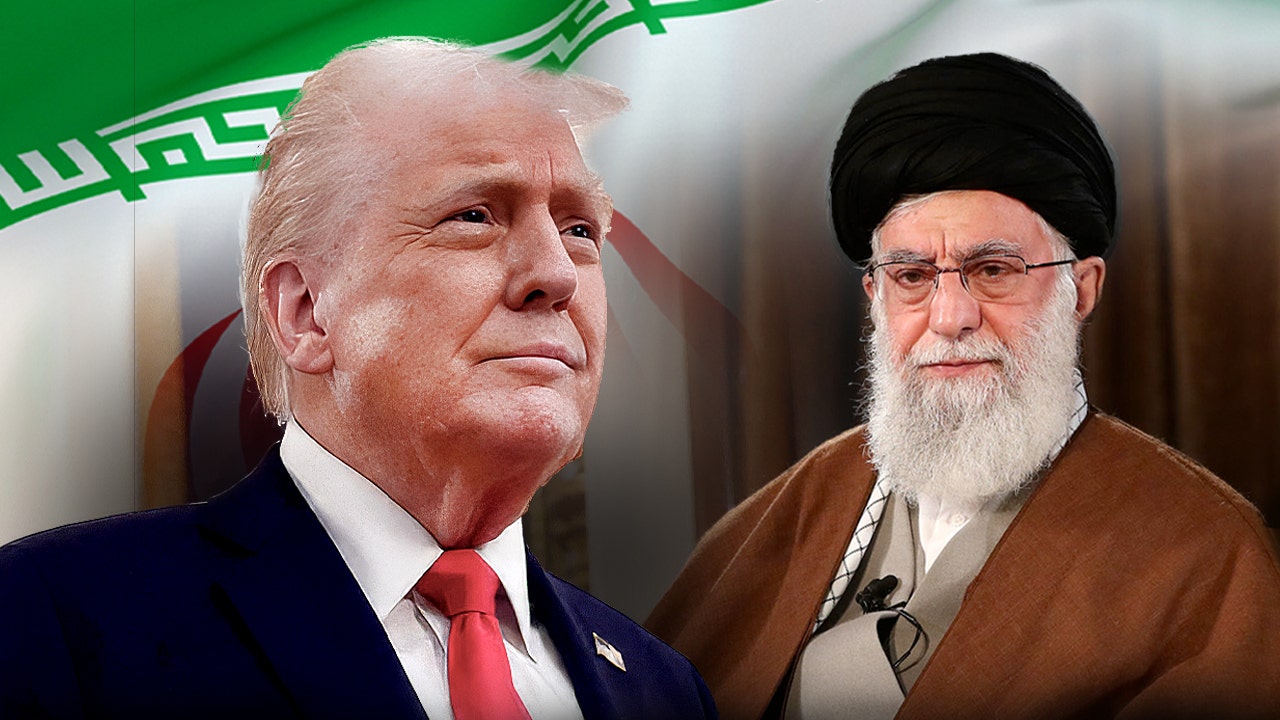
President Donald Trump announced Thursday that the war with Iran should end 'soon,' suggesting that both sides may meet this weekend to negotiate a resolution.
President Donald Trump announced Thursday that the war with Iran should end 'soon,' suggesting that both sides may meet this weekend to negotiate a resolution. The optimistic outlook comes as a 10-day ceasefire between Israel and Lebanon takes effect and a Pakistan-brokered truce with Iran nears its expiration date. White House officials expressed confidence in the prospects of a deal, citing a newfound willingness from Tehran to negotiate.
The Details
Speaking to reporters at the White House, President Trump stated that the U.S. is 'doing well' and noted that Iran is now 'willing to do things today that they weren't willing to do two months ago.' This follows comments made on Tuesday where the President advised the world to brace for an 'amazing two days,' asserting that the conflict is 'very close to over.'
Diplomatic momentum is centering on Pakistan. Army Chief Asim Munir arrived in Tehran on Wednesday to deliver a U.S. message and finalize the groundwork for a second round of talks. While the first round of negotiations in Islamabad on April 12 concluded without a breakthrough, it also avoided a breakdown. White House Press Secretary Karoline Leavitt confirmed that further talks would 'very likely' take place in Islamabad, adding that the administration feels positive about a potential agreement.
However, significant obstacles remain. Key sticking points include the duration of a freeze on Iran's nuclear enrichment program—with a dispute over a 5-year versus 20-year timeframe—and the fate of 440kg of highly enriched uranium. Other critical issues include the control of the Strait of Hormuz and compensation for wartime damages.
Currently, a U.S. naval blockade of Iranian ports remains active. U.S. Central Command reported turning away nine ships as of Wednesday, an action the Iranian military has denounced as a violation of the existing ceasefire.
The geopolitical landscape is further complicated by the situation in Lebanon. Iran has previously demanded a ceasefire in Lebanon as a prerequisite for U.S.-Iran peace talks. While a 10-day ceasefire mediated by the U.S. began at 5 p.m. EST on Thursday, the Lebanese army has already reported Israeli 'acts of aggression' that allegedly violate the agreement.
Context
The conflict began on February 28, 2026, when a joint U.S.-Israeli operation launched strikes that killed Iranian Supreme Leader Ali Khamenei. The war has resulted in more than 3,000 deaths in Iran. Lebanon became involved on March 2 after Hezbollah launched rockets at Israel, triggering Israeli operations that have killed over 2,196 people and displaced approximately 1.2 million Lebanese citizens.
The current diplomatic phase relies heavily on Pakistani mediation. A two-week ceasefire between the U.S. and Iran, brokered by Pakistan on April 8, is set to expire on April 22. This timeline puts pressure on the proposed weekend meetings to produce a sustainable framework.
Internationally, the war's impact is extending beyond the region. The IMF warned on April 17 that the conflict could cause 'very, certainly severe' consequences for global energy-importing countries. Simultaneously, leaders from 40 countries met virtually on Thursday, hosted by Britain and France, to discuss the reopening of the Strait of Hormuz.
What's Next
The immediate focus shifts to the proposed weekend meetings. If these talks fail to yield a framework, President Trump has cautioned that he may not extend the current ceasefire and could resume military operations after April 22.
In Lebanon, the stability of the 10-day truce is precarious. Israeli Prime Minister Benjamin Netanyahu has stated that Israeli forces will not withdraw from southern Lebanon during this period, while Hezbollah maintains it will continue to resist if Lebanese territory remains occupied. A failure to maintain the Lebanon ceasefire could jeopardize the broader U.S.-Iran diplomatic track.
Further scrutiny is expected in the U.S. Senate, where support for restricting arms sales to Israel has been growing, reflecting internal political pressure as the conflict persists.
Never Miss a Signal
Get the latest breaking news and daily briefings from Zero Signal News directly to your inbox.