
Trump Tells Congress Iran Ceasefire Has Ended Hostilities, Rejecting Need for War Powers Authorization
Zero Signal Staff
Published May 1, 2026 at 4:40 PM ET · 148 days ago
BBC News
President Donald Trump told congressional leaders on May 1 that U.S.
President Donald Trump told congressional leaders on May 1 that U.S. hostilities with Iran had terminated, arguing that a ceasefire in place since April 7 rendered congressional authorization under the War Powers Resolution unnecessary — a position that immediately drew a legal challenge from Senate Democrats.
The Details
Trump's letters to Congress arrived on the 60th day after he formally notified lawmakers of the U.S. military operation against Iran, the precise deadline at which the 1973 War Powers Resolution requires a president to terminate hostilities unless Congress has declared war, specifically authorized the action, or extended the period by law.
In the letters, Trump argued that no active fighting had taken place in nearly four weeks. "There has been no exchange of fire between the United States Forces and Iran since April 7, 2026," Trump wrote, as reported by BBC News and NBC News. "The hostilities that began on February 28, 2026 have terminated."
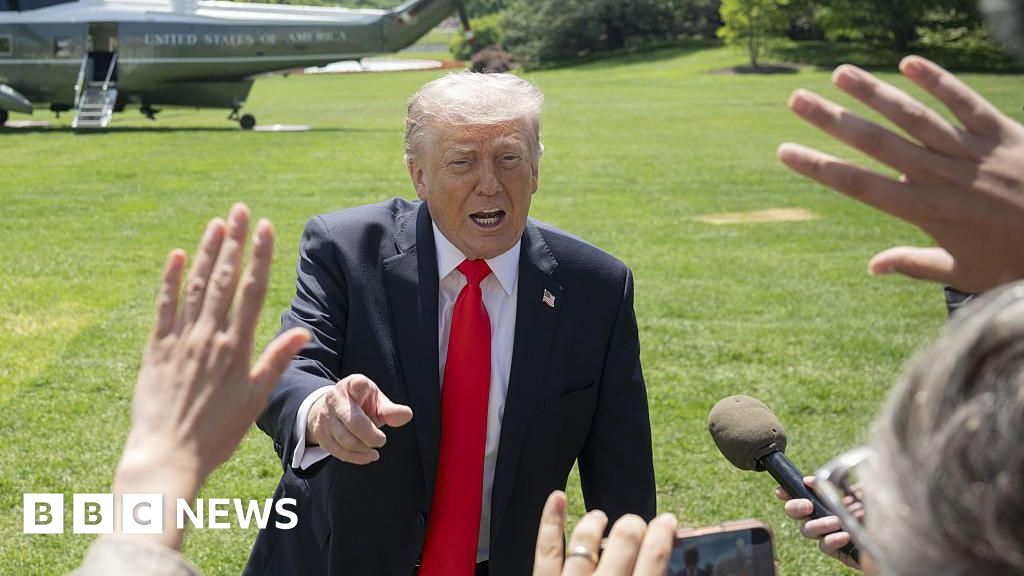
Speaking to reporters while departing the White House on May 1, Trump went further, dismissing the War Powers Resolution itself as toothless. "It's never been used. It's never been adhered to. And every other president considered it totally unconstitutional. And we agree with that," he said, according to CBS News.
Defense Secretary Pete Hegseth had previewed the administration's legal rationale a day earlier at a Senate Armed Services Committee hearing, telling senators that a ceasefire effectively suspends the 60-day countdown. "We are in a ceasefire right now, which our understanding means the 60-day clock pauses or stops in a ceasefire," Hegseth said, according to BBC News.
Sen. Tim Kaine of Virginia, a Democrat on the Armed Services Committee, directly disputed that reading. "I do not believe the statute would support that," Kaine said in response to Hegseth during the hearing, according to BBC News.
Context
The War Powers Resolution was enacted in 1973 to limit unilateral presidential war-making, requiring the president to consult with Congress and to terminate the use of U.S. armed forces within 60 calendar days of notifying lawmakers unless Congress specifically authorizes the action.
Trump formally notified Congress of the Iran operation on March 2, 2026, starting the 60-day clock. U.S. military strikes on Iran had begun on February 28, 2026. Trump declared a ceasefire on April 7, 2026, after which no further exchanges of fire were reported between U.S. and Iranian forces, according to BBC News.
CBS News reported that administration officials had been in active conversations with members of Congress about authorization before Trump publicly declared that he did not need approval. Congress has repeatedly failed to advance Democratic war powers measures aimed at constraining Trump over Iran, though CBS News reported that some Republicans had signaled the 60-day milestone could shift their position.
The ceasefire has not produced a broader peace deal between Washington and Tehran, leaving the underlying conflict unresolved even as active exchanges of fire remain paused, according to BBC News.
What's Next
The dispute over the War Powers Resolution's ceasefire interpretation remains legally and politically unresolved. No court ruling or congressional vote has addressed whether a ceasefire pauses the 60-day clock under the statute. With Trump having declared that no authorization is required, congressional opponents face the challenge of forcing a vote or seeking judicial intervention to contest the administration's position.
Never Miss a Signal
Get the latest breaking news and daily briefings from Zero Signal News directly to your inbox.