
Trump Threatens Iranian Infrastructure After Ceasefire Violation in Strait of Hormuz
Zero Signal Staff
Published April 19, 2026 at 11:35 AM ET · 160 days ago
Reuters
President Donald Trump has accused Iran of a total violation of a two-week ceasefire after Iranian forces fired upon ships in the Strait of Hormuz on Saturday. The U.S.
President Donald Trump has accused Iran of a total violation of a two-week ceasefire after Iranian forces fired upon ships in the Strait of Hormuz on Saturday. The U.S. President threatened to destroy Iranian power plants and bridges if the country does not accept a proposed peace deal. Despite the escalation, U.S. envoys are scheduled to arrive in Islamabad, Pakistan, on Monday evening for another round of peace talks.
The Details
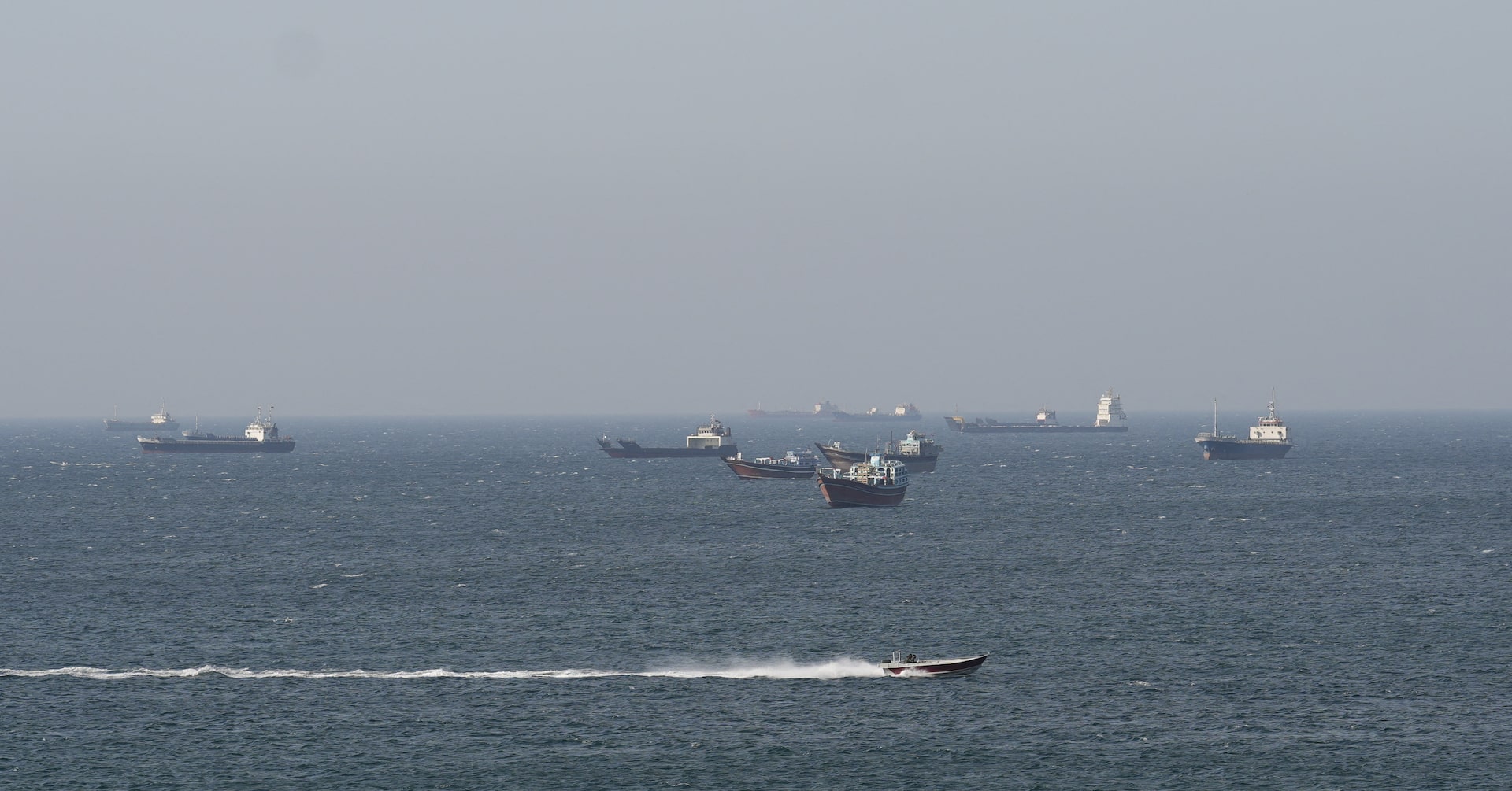
The conflict intensified on Saturday when Iran fired bullets at vessels in the Strait of Hormuz, including a French ship and a British freighter. In a series of posts on Truth Social, President Trump described the incident as a 'total violation' of the ceasefire agreement established on April 7. He warned that he is finished being 'Mr. Nice Guy,' stating that the U.S. would 'knock out every single Power Plant, and every single Bridge, in Iran' should the current deal be rejected.
The tension follows a volatile weekend in which Iran briefly decided to reopen the Strait of Hormuz on Friday, only to reverse that decision on Saturday after the U.S. refused to lift a blockade of Iranian ports. As of Sunday, the strait remains closed to all ships except those belonging to Iran, continuing to disrupt a critical maritime artery that typically carries one-fifth of the world's oil shipments.
In a move toward a diplomatic resolution, the Trump administration announced that a high-level delegation will travel to Islamabad. According to White House officials, the group will be led by Vice President JD Vance, special envoy Steve Witkoff, and Jared Kushner. Two U.S. C-17 cargo planes have already landed at Pakistan's Nur Khan air base, delivering security equipment and vehicles to support the delegation's arrival.
President Trump expressed confidence that a deal would be reached, telling ABC News reporter Jonathan Karl that it would happen 'one way or another'—either 'the nice way or the hard way.' However, the window for diplomacy is closing rapidly; the two-week ceasefire is set to expire early Wednesday, leaving approximately one day for negotiators to find common ground.
Tehran's response has been cautious. Iran's Tasnim news agency reported that no definitive decision had been made to send a delegation to Pakistan as long as the U.S. blockade of Iranian ports remains in effect. This stalemate persists despite previous progress reported by Iranian chief negotiator Mohammad Baqer Qalibaf.
Context
The ongoing U.S.-Iran conflict entered its eighth week in April 2026, following initial attacks by the U.S. and Israel on February 28. The war has been characterized by severe economic disruptions and strategic maritime blockades. A primary point of contention in the Islamabad talks has been nuclear activity; the U.S. has demanded a 20-year suspension of all Iranian nuclear programs, while Iran has countered with a proposal for a three-to-five-year halt.
The geopolitical stakes are elevated by threats of asymmetric retaliation. Iran has previously stated it would strike power stations and desalination plants in neighboring Gulf Arab states if the U.S. targets Iranian civilian infrastructure. Meanwhile, the region remains unstable, with a separate ceasefire recently announced between Israel and Lebanon following a massive invasion that displaced over a million Lebanese citizens.
Domestically, President Trump is facing significant pressure. His approval rating has fallen to a new low of 36%, driven by surging fuel prices linked to the instability in the Strait of Hormuz. Global markets have mirrored this volatility, seeing sharp swings in oil prices and stock indexes based on fluctuating reports regarding the reopening of the strait.
What's Next
The immediate focus remains on the Monday evening arrival of the U.S. delegation in Islamabad. Negotiators must resolve the deadlock over nuclear suspensions and the lifting of the port blockade before the ceasefire expires on Wednesday. Any failure to reach an agreement could trigger the infrastructure strikes threatened by the President.
Global energy markets are expected to remain volatile. While oil prices dipped briefly following an initial announcement to reopen the strait, the subsequent closure has renewed fears of a prolonged energy crisis. Traders will be watching the Islamabad proceedings closely for any sign of a permanent maritime reopening.
Further movements of U.S. military assets in the region may occur if the peace talks fail to produce a breakthrough. The presence of heavy security equipment arriving via C-17 suggests the U.S. is preparing for high-risk diplomatic engagement or a rapid escalation in operational posture.
Never Miss a Signal
Get the latest breaking news and daily briefings from Zero Signal News directly to your inbox.