
Trump Threatens to Blow Iran 'Off the Face of the Earth' as Hormuz Ceasefire Frays
Zero Signal Staff
Published May 4, 2026 at 7:05 PM ET · 161 days ago
Al Jazeera
US President Donald Trump warned Iran would be 'blown off the face of the Earth' if it attacks United States ships near the Strait of Hormuz, as Iranian missile and drone strikes targeted the United Arab Emirates and US forces in the strategic waterw
US President Donald Trump warned Iran would be 'blown off the face of the Earth' if it attacks United States ships near the Strait of Hormuz, as Iranian missile and drone strikes targeted the United Arab Emirates and US forces in the strategic waterway on Monday, pushing the fragile US-Iran ceasefire to the brink of collapse.
The Details
Iran launched missile and drone attacks on US forces and merchant vessels in the Strait of Hormuz on Monday but did not land any hits, according to US Central Command, as reported by the Washington Post. The UAE Defence Ministry reported its forces engaged and intercepted 12 ballistic missiles, three cruise missiles, and four drones fired by Iran during the assault.
The attacks caused significant damage on the ground. An Iranian strike ignited a fire in the Fujairah Petroleum Industry Zone, injuring three people. A South Korean-operated vessel suffered an explosion and fire off the coast of the UAE in the Strait of Hormuz area, according to Al Jazeera.
Trump made his threat public on Monday, stating the US military shot down seven small Iranian boats near Hormuz. He also told Fox News that the United States possesses superior military resources globally and would deploy them if necessary: 'We have more weapons and ammunition at a much higher grade than we had before. We have the best equipment. We have stuff all over the world. We have these bases worldwide. They're all stocked up with equipment. We can use all of that stuff, and we will, if we need it.' Iran’s state-run IRNA denied Trump's claim about the boats, citing an unnamed military source who called the US assertion false.
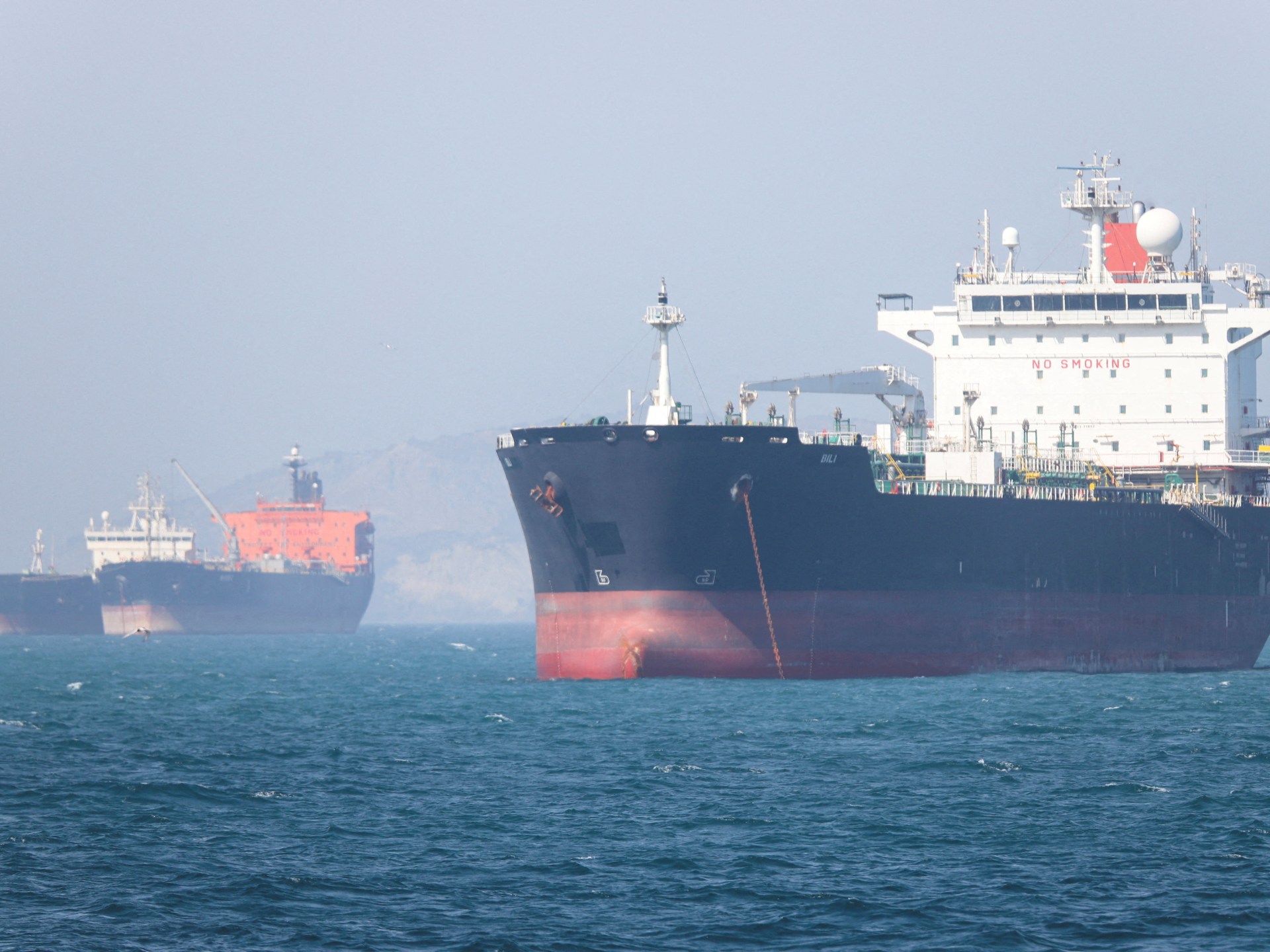
CENTCOM reported that 50 commercial vessels have been redirected by US forces since Sunday to ensure compliance with the naval blockade of Iranian ports. Admiral Brad Cooper, head of US Central Command, said vessels stranded in the area belong to 87 countries that are 'innocent bystanders.' He added that over the last 12 hours, CENTCOM had reached out to 'dozens of ships and shipping companies to encourage traffic flow through the Strait of Hormuz, consistent with the president's intent to help guide ships safely through a narrow trade corridor.'
The US military began implementing 'Project Freedom,' a plan to guide ships through Hormuz and break the Iranian blockade on the strategic shipping lanes. Ship-tracking websites show traffic through the Strait of Hormuz remains largely suspended despite US escort efforts.
Iran warned of further retaliation. Iran threatened 'long and painful strikes' on US regional positions if Washington renewed attacks, and Revolutionary Guards officials warned US warships would face the same fate as regional bases, according to Reuters.
Context
The current conflict erupted when the US and Israel launched a war on Iran on February 28, 2026, approximately two months before Monday’s exchanges. A ceasefire between the United States and Iran has been in place since April 8, 2026, but Iran continues to blockade the Strait of Hormuz in response to a US naval blockade of Iranian oil exports, according to Reuters.
The Strait of Hormuz handles approximately 20% of the world’s oil and gas supplies. Its closure has sent global energy prices soaring and heightened recession concerns. The price of gasoline in the United States has risen from less than $3 per gallon before the war to more than $4.45 on Monday, with Brent crude surging above $126 per barrel before retreating to around $114, according to Al Jazeera and Reuters.
Trump faces a formal deadline under the 1973 War Powers Resolution on Friday, May 8, 2026, to end the war or make the case to Congress for extending it, Reuters reported. The United Arab Emirates banned its citizens from traveling to Iran, Lebanon, and Iraq on April 30, 2026, urging those currently in those countries to leave immediately. Trump has been seeking international support for military plans to forcibly open Hormuz, urging South Korea and NATO allies to join the campaign.
UN Secretary-General Antonio Guterres warned of global economic consequences, stating: 'The longer this vital artery is choked, the harder it will be to reverse the damage.'
Iran delivered a response to the United States via Pakistan rejecting a temporary ceasefire and listing a 10-point proposal including lifting sanctions, reconstruction, and a protocol to re-open the Strait of Hormuz, according to Reuters.
What's Next
The attacks on Monday mark the most significant threat to date to the shaky ceasefire reached last month, according to the Washington Post. Trump's Friday deadline under the War Powers Resolution adds additional pressure on Washington as the administration weighs how to respond to the latest Iranian strikes.
Iranian Foreign Ministry spokesman Esmaeil Baghaei downplayed expectations for a quick resolution. 'Expecting to reach a result in a short time, regardless of who the mediator is, in my opinion, is not very realistic,' he told Reuters. UAE schools moved to remote learning until at least Friday following the latest Iranian attacks, according to The Guardian.
The UAE Foreign Ministry said in a statement quoted by Al Jazeera: 'The UAE emphasised that it will not tolerate any threat to its security and sovereignty under any circumstances, and that it reserves its full and legitimate right to respond to these unprovoked attacks.' No official casualty figures have been released beyond the three injured in Fujairah, and the status of the South Korean vessel and other commercial ships affected remains unclear.
Never Miss a Signal
Get the latest breaking news and daily briefings from Zero Signal News directly to your inbox.