
Trump Vows to Keep Iran Naval Blockade Until Tehran Signs Nuclear Deal
Zero Signal Staff
Published April 29, 2026 at 3:31 PM ET · 150 days ago
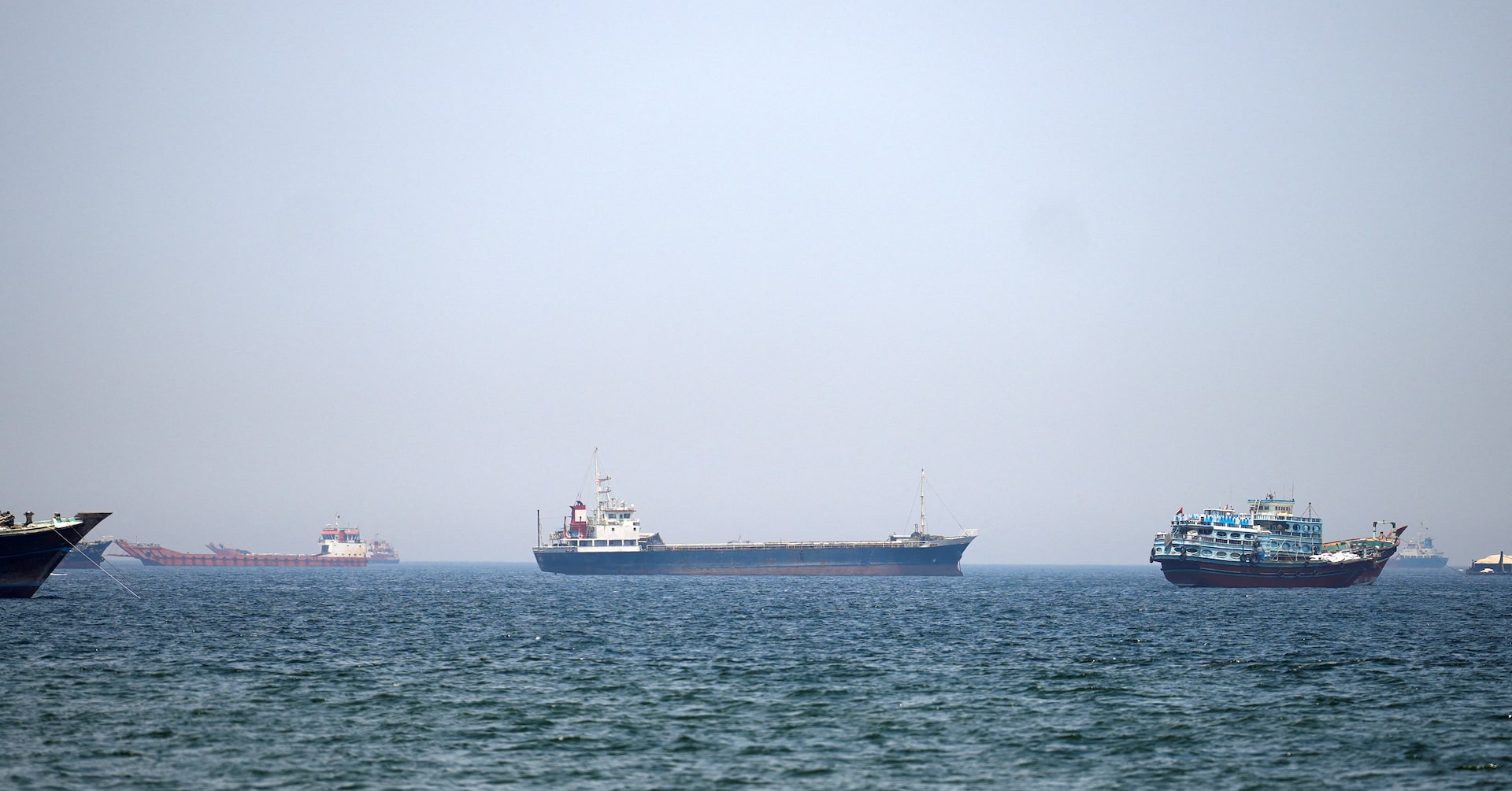
Reuters
President Donald Trump said the United States will not lift its naval blockade of Iran-linked shipping until Tehran agrees to a nuclear deal, deepening a standoff that has halted diplomatic talks, pushed oil above $119 a barrel, and drawn threats of
President Donald Trump said the United States will not lift its naval blockade of Iran-linked shipping until Tehran agrees to a nuclear deal, deepening a standoff that has halted diplomatic talks, pushed oil above $119 a barrel, and drawn threats of retaliation from Iranian officials. Trump's comments, reported by Reuters and cited by Al Jazeera and the Jerusalem Post from an Axios interview, came as the White House confirmed it has held consultations with US oil companies on how to sustain the blockade for months while limiting the impact on American consumers.
The Details
Trump made his position explicit in a Truth Social post reported by Reuters, writing: 'They don't know how to sign a nonnuclear deal. They'd better get smart soon!' The statement underscored that Washington views the blockade as a lever to compel Tehran into an agreement foreswearing nuclear weapons, not as a temporary military pressure tool.
In the Axios interview, as reported by Al Jazeera and the Jerusalem Post, Trump said he does not want to lift the blockade and justified keeping it in place with a blunt comparison: 'The blockade is somewhat more effective than the bombing.' The remark made clear that, from the administration's perspective, economic strangulation is the preferred mechanism over direct military strikes.
The White House's consultations with oil company executives signal that the administration is actively planning for a prolonged campaign, according to Reuters. Those talks focused on sustaining restrictions on Iran-linked shipping for months if necessary while trying to keep US gasoline prices from rising further — a domestic political calculation running alongside the foreign-policy pressure strategy.
On the Iranian side, state-linked media and officials signaled escalation if the blockade continues. Press TV, Iran's state broadcaster, carried a statement from an unidentified senior Iranian security source warning that 'the US naval blockade will soon be met with practical and unprecedented action.' Reuters separately reported a warning of 'unprecedented military action,' with slight wording differences across outlets. The brief describes this discrepancy as not material to the core claim: Tehran is threatening to escalate.
The blockade has created a hard diplomatic deadlock, according to reporting from Reuters, The National, and Al Jazeera. Tehran has said it will not fully resume nuclear talks or reopen the Strait of Hormuz — through which roughly a fifth of global oil and gas shipments pass, according to The National — while the naval restrictions remain in place. Washington has made removal of the blockade conditional on a signed deal. Neither side has indicated movement from those positions.
Context
The Strait of Hormuz is among the most economically sensitive chokepoints on the planet. The National reported that approximately one-fifth of global oil and gas shipments pass through the waterway, meaning any sustained closure or disruption ripples immediately into fuel prices worldwide.
Reuters reported that the conflict and blockade have pushed Brent crude above $119 a barrel, intensifying pressure on global energy markets and US gasoline prices. Iran's economy has also borne direct costs: Reuters reported that the Iranian rial fell to a record low of 1,810,000 rials to the US dollar on April 29, as the combined weight of the conflict and the blockade squeezed the country's finances.
The current deadlock sits at the intersection of US nuclear nonproliferation policy and Iran's demand for sanctions and blockade relief before returning to the negotiating table — a structural impasse that has characterized Iran nuclear diplomacy for years, with each cycle raising the economic and military stakes.
What's Next
Trump's public statements and the White House consultations with oil companies indicate the blockade will remain in place for the foreseeable future, according to Reuters. No talks between US and Iranian officials have been publicly confirmed as scheduled while the naval restrictions continue.
Iran's warning of 'practical and unprecedented action,' carried by Press TV and reported across regional outlets, will be watched closely by regional governments and energy markets. No Iranian military action has been confirmed by independent sources as of the research timestamp.
Never Miss a Signal
Get the latest breaking news and daily briefings from Zero Signal News directly to your inbox.