
UAE Quits OPEC After Nearly 60 Years, Weakening Producer Bloc
Zero Signal Staff
Published April 29, 2026 at 5:30 PM ET · 150 days ago
Reuters
The United Arab Emirates announced on April 28 that it is withdrawing from OPEC and the broader OPEC+ alliance, with the exit set to take effect on May 1, according to Reuters.
The United Arab Emirates announced on April 28 that it is withdrawing from OPEC and the broader OPEC+ alliance, with the exit set to take effect on May 1, according to Reuters. UAE Energy Minister Suhail Mohamed al-Mazrouei said the decision was driven by a review of the country's production policies and energy strategy. The departure will shrink OPEC's membership to 11 nations and is expected to further erode the cartel's share of global oil output, which had already fallen sharply amid ongoing war-related supply disruptions in the Gulf.
The Details
The UAE formally notified OPEC of its withdrawal on April 28, with the exit scheduled to become effective May 1, Reuters and BBC reported. The move ends nearly 60 years of membership — the UAE joined the cartel in 1967 — and marks the departure of OPEC's fourth-largest producer, according to Reuters.
UAE Energy Minister Suhail Mohamed al-Mazrouei told Reuters in a telephone interview after the announcement that the decision was strategic. 'This is a policy decision, it has been done after a careful look at current and future policies related to level of production,' he said.
Reuters and BBC both reported that leaving OPEC removes the UAE from the production quota system, giving it greater flexibility to raise output when market and infrastructure conditions allow. The National reported that the UAE has expanded its oil production capacity in recent years and has long sought room to produce more than its assigned OPEC quota.
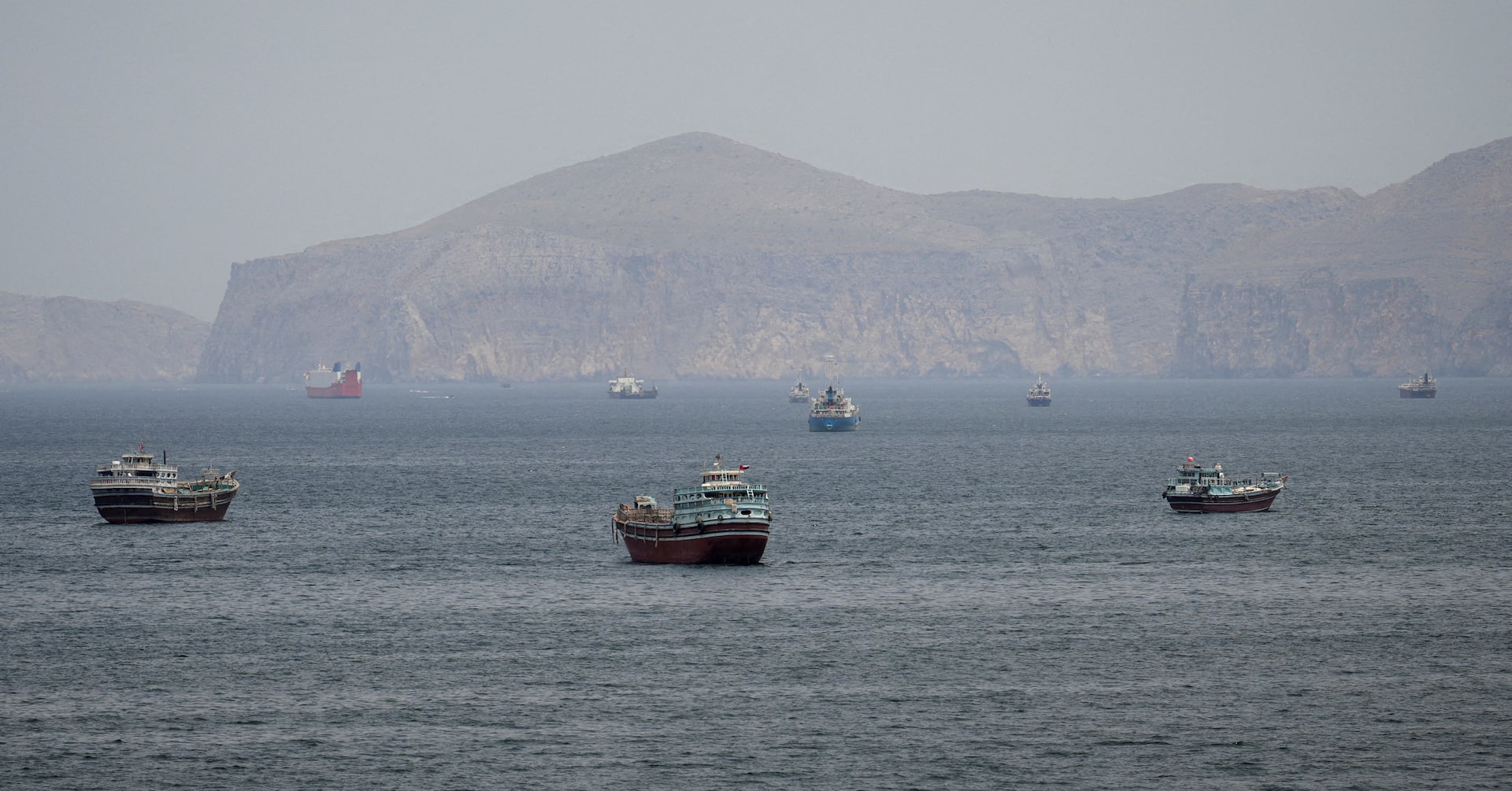
The immediate market impact of the exit, however, is constrained. Reuters, Al Jazeera, and The National all reported that ongoing disruption in or around the Strait of Hormuz — a key conduit for Gulf oil exports — has limited what the UAE and other regional producers can physically ship during the Iran war. The quota freedom the UAE gains on paper may not translate into higher exports in the near term.
OPEC's share of global oil output had already fallen to 44 percent in March from approximately 48 percent in February, a decline Reuters attributed to war-related supply disruptions. The UAE's departure removes a substantial production base from the cartel's coordinated framework.
Saul Kavonic, an analyst at MST Financial, described the exit to BBC as 'the beginning of the end' for OPEC, underscoring the significance of losing one of its larger Gulf members.
Context
OPEC has coordinated member-state oil production since the 1960s with the aim of stabilizing global prices. The wider OPEC+ coalition — which added non-OPEC producers including Russia — was established in 2016 to broaden that coordination framework, according to Reuters.
The UAE's long-running tension with OPEC production caps is not new. The National has reported that the country expanded its oil production capacity over several years and repeatedly sought to produce beyond its quota ceiling. That ambition has now produced a formal break from the group.
The war context surrounding this decision is also significant. Disruption in or around the Strait of Hormuz — through which a substantial share of Gulf oil exports pass — has already curtailed regional supply, pulling OPEC+'s effective share of global output lower regardless of quota agreements. With or without the UAE's formal membership, conditions in the Strait will shape how much oil the Gulf can move to market.
What's Next
The UAE's formal withdrawal takes effect May 1, according to Reuters, BBC, and The National. After that date, the UAE is no longer bound by OPEC+ production quotas and may adjust its output independently.
The effect on OPEC's market leverage will depend in part on whether other member states hold production discipline and on how quickly Strait of Hormuz disruptions ease. Reuters reported that remaining members are expected to stay together for now, though the group's share of global supply has already weakened.
Never Miss a Signal
Get the latest breaking news and daily briefings from Zero Signal News directly to your inbox.