
Uber Posts $53.7 Billion in Q1 Bookings, Guides Q2 Above Estimates Despite Middle East Drag
Zero Signal Staff
Published May 6, 2026 at 3:09 PM ET · 159 days ago
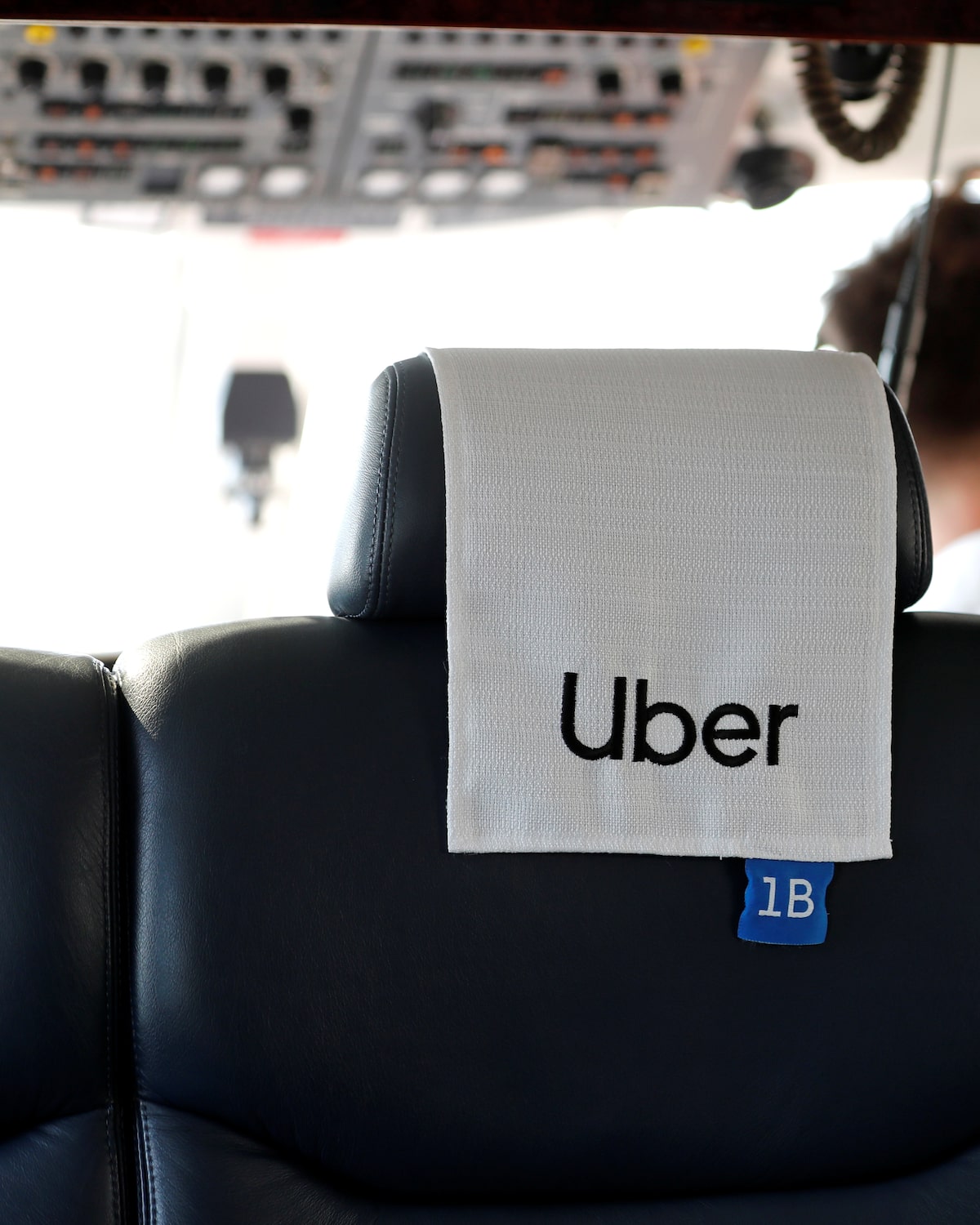
Bloomberg / Reuters
Uber reported first-quarter gross bookings of $53.7 billion, topping its own guidance and signaling resilient consumer demand as the company projected an even stronger second quarter despite a drag from the Middle East conflict.
Uber reported first-quarter gross bookings of $53.7 billion, topping its own guidance and signaling resilient consumer demand as the company projected an even stronger second quarter despite a drag from the Middle East conflict.
The Details
The $53.7 billion in Q1 gross bookings marks a 25 percent increase from the same period a year earlier and exceeds the company's prior guidance range of $52.0 billion to $53.5 billion. Revenue rose 14 percent to $13.2 billion, or 10 percent on a constant-currency basis, reflecting the impact of foreign exchange headwinds on Uber's international operations.
Profitability moved higher alongside the top line. Adjusted EBITDA climbed 33 percent to $2.481 billion, pushing the margin up by 20 basis points to 4.6 percent compared with the year-earlier quarter. For the second quarter, Uber guided adjusted earnings per share in a range of $0.78 to $0.82.
Usage across the platform grew briskly in the quarter. Monthly Active Platform Consumers rose 17 percent to 199 million, while the total number of trips climbed 20 percent to 3.6 billion. Uber One, the company's membership program, surpassed 50 million users for the first time and now accounts for more than 35 percent of U.S. Mobility gross bookings, a figure Uber said was up materially from a year earlier.
Uber's outlook for the second quarter calls for gross bookings between $56.25 billion and $57.75 billion. That range sits above analyst consensus estimates, which ran from approximately $56.07 billion to $56.23 billion, according to LSEG data cited by Bloomberg and Reuters. The midpoint of Uber's Q2 guidance, roughly $57 billion, exceeds the top end of the consensus range.
The company acknowledged one notable headwind alongside the upbeat forecast. Uber said the Middle East conflict is expected to create a drag of roughly 60 basis points on Q2 growth, a reflection of reduced mobility demand in affected regions where the company operates. Even so, the overall guidance range remained ahead of what analysts had modeled.
Uber chief executive Dara Khosrowshahi described the quarter as unfolding against a "complex macro backdrop marked by weather disruptions, geopolitical tensions, and gas price volatility." Despite those pressures, the results topped expectations on bookings, revenue, and profitability. Khosrowshahi also characterized the company's trajectory as "continuing to deepen the role Uber plays in daily life," pointing to membership growth and expanding service categories as evidence.
Investors responded positively. Shares of Uber rose approximately 7 percent following the earnings release, reflecting the market's surprise at the strength of both the Q1 results and the Q2 outlook.
Context
Uber has been pursuing a partnership-led strategy for autonomous vehicles rather than developing the technology on its own. The company is working with more than 20 partners to integrate robotaxis onto its platform and recently announced partnerships with Nvidia and Amazon's Zoox. The approach contrasts with competitors who are building autonomous systems internally.
Beyond its core ride-hailing and delivery businesses, Uber has moved to broaden its service offerings. The company recently expanded into hotel bookings through a partnership with Expedia, adding a new travel category to its platform. It also agreed to a 1 billion euro financing facility with Banco Santander aimed at supporting European fleet operators, a step intended to deepen its presence across the region.
Adam Ballantyne, a senior analyst at Cambiar Investors, described the results as a sign of "durable demand, plus the significant runway still left for Uber to gain market share in US suburbs and international markets." Ballantyne's assessment pointed to geographic expansion, particularly in suburban U.S. markets and international regions, as a remaining growth lever for the company.
What's Next
Lyft is scheduled to report earnings on May 7, and DoorDash is also set to report this week. Those results will offer comparative data points for the ride-share and delivery sectors, giving investors a clearer picture of whether demand trends Uber flagged are broad-based or company-specific. The competitive landscape in the second quarter will also be shaped by the macro and geopolitical pressures Khosrowshahi cited, including weather disruptions and gas price volatility. The roughly 60 basis-point Middle East drag Uber forecast for Q2 will be a metric to track as the quarter unfolds, particularly if the conflict escalates or spreads to additional markets where Uber operates. Uber has also pointed to autonomous vehicle partnerships and platform expansions, including hotel bookings and European fleet financing, as areas of continued investment in the period ahead.
Never Miss a Signal
Get the latest breaking news and daily briefings from Zero Signal News directly to your inbox.