
Ukraine to Resume Druzhba Oil Flows Wednesday, Clearing Path for €90 Billion EU Loan
Zero Signal Staff
Published April 21, 2026 at 5:24 PM ET · 158 days ago
Reuters
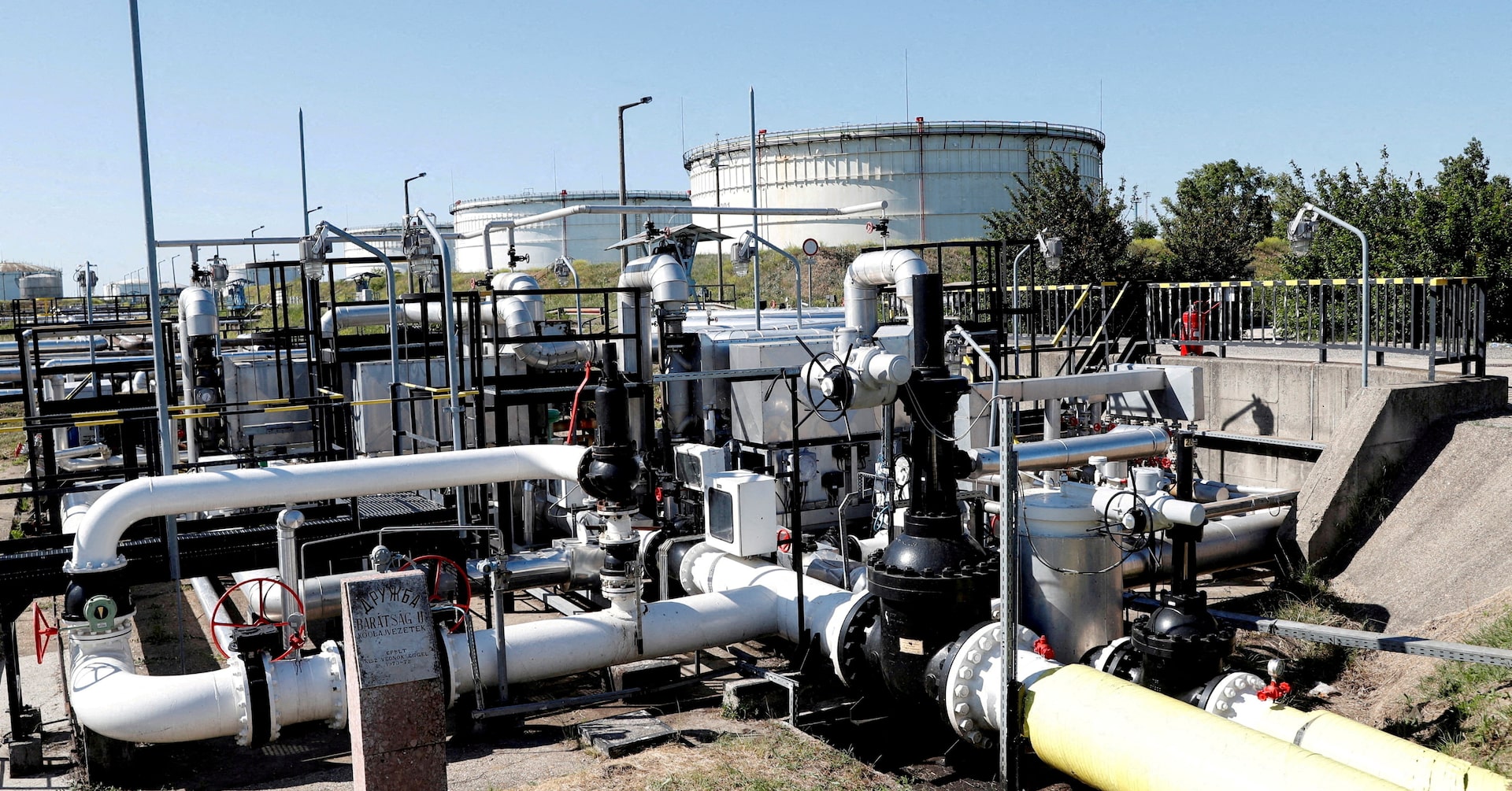
Ukraine is scheduled to resume pumping Russian oil through the Druzhba pipeline on Wednesday afternoon, April 22. The move follows a three-month disruption and is tied directly to the unlocking of a critical €90 billion EU loan program.
Ukraine is scheduled to resume pumping Russian oil through the Druzhba pipeline on Wednesday afternoon, April 22. The move follows a three-month disruption and is tied directly to the unlocking of a critical €90 billion EU loan program. Hungarian oil firm MOL has already submitted the first transit applications for volumes destined for Hungary and Slovakia.
The Details
The resumption of oil flows comes after a prolonged halt that began in late January 2026, when a Russian drone strike damaged the pipeline in western Ukraine. According to industry sources, pumping is expected to begin around midday Wednesday. The first volumes of oil will be split in equal proportions between Hungary and Slovakia, with the Hungarian energy company MOL coordinating the logistics. MOL CEO Zsolt Hernádi is currently planning a trip to Russia to finalize the necessary supply arrangements.
The restart is the center of a high-stakes diplomatic trade-off. Hungary, under both outgoing caretaker Prime Minister Viktor Orbán and incoming Prime Minister Péter Magyar, has maintained that Budapest would only lift its veto on a massive EU financial aid package for Ukraine once oil deliveries were restored. This €90 billion ($104 billion) loan is intended to sustain Ukraine's defense and state functions over the next two years.
European Commission Deputy Chief Spokesperson Olof Gill confirmed that the Commission is mediating between all parties to facilitate the process. The mediation has been critical in aligning the timelines for the pipeline repairs and the legislative steps required to approve the loan. Viktor Orbán recently indicated in a letter to European Council President António Costa that Hungary would agree to the necessary budget amendments 'without delay' upon the restoration of the oil transfer.
While the restart is imminent, some political friction remains. Incoming PM Péter Magyar has emphasized that simply repairing the pipeline is insufficient, noting that Russia must actually resume shipments for the agreement to be meaningful. Meanwhile, Ukraine's state energy company, Naftogaz, has declined to provide official comments on the specific timing of the resumption, despite the operational timeline cited by industry sources.
Context
The Druzhba, or 'Friendship,' pipeline is one of the longest in the world, serving as a primary artery for Russian crude oil to reach landlocked Central European nations. The pipeline's vulnerability was highlighted in January when drone strikes severed the flow, leaving Hungary and Slovakia without their primary source of Russian oil for nearly three months.
This energy crisis coincided with a period of significant political transition in Hungary. On April 12, 2026, Viktor Orbán was defeated in a general election by Péter Magyar. Although Orbán remains the caretaker Prime Minister during the transition, the new administration has maintained the hardline stance on the EU loan, linking the financial support for Kyiv to the security of Hungary's energy imports.
President Volodymyr Zelenskiy had previously signaled a timeline for the repairs. In a televised interview on April 20 and in separate discussions with German Chancellor Friedrich Merz, Zelenskiy stated that the pipeline would be operational by the end of April. The Wednesday restart brings this timeline forward, reflecting the urgency of the financial requirements facing the Ukrainian government.
What's Next
The most immediate milestone is a crucial vote on the €90 billion EU loan, which a spokesperson for the EU's presidency in Cyprus suggests could be held as early as Wednesday. If the vote is successful, funds could be disbursed to Ukraine within one to two weeks, providing a critical lifeline for the country's defense operations.
Observers will also be monitoring whether Russia maintains the flow of oil. In a related development on April 21, Russia announced it would halt Kazakhstan's oil flows to Germany via the Druzhba pipeline, suggesting that Moscow may continue to use energy transit as a geopolitical lever even as the Ukrainian segment is restored.
The transition of power in Budapest will also be key. As Péter Magyar officially takes over the government, his ability to maintain the balance between energy security and EU cooperation will determine if the Druzhba pipeline remains a point of contention or a resolved issue.
Never Miss a Signal
Get the latest breaking news and daily briefings from Zero Signal News directly to your inbox.