
UN-Backed Report: 1.24 Million in Lebanon Face Acute Food Insecurity Through August 2026
Zero Signal Staff
Published April 29, 2026 at 12:28 PM ET · 150 days ago
Al Jazeera
A UN-backed Integrated Food Security Phase Classification analysis projects that 1.24 million people in Lebanon will face crisis-level or worse acute food insecurity between April and August 2026, according to a joint statement issued by the Food and
A UN-backed Integrated Food Security Phase Classification analysis projects that 1.24 million people in Lebanon will face crisis-level or worse acute food insecurity between April and August 2026, according to a joint statement issued by the Food and Agriculture Organization, the World Food Programme, and the Lebanese Ministry of Agriculture. The forecast marks a sharp deterioration from pre-war levels and comes amid ongoing conflict, mass displacement, and deepening economic strain tied to the latest Israel-Hezbollah war.
The Details
The IPC analysis, cited by Al Jazeera and corroborated by multiple outlets, places roughly one in four residents of Lebanon at or above the crisis tier of the international food-security classification scale. The IPC crisis level — the third of five tiers — signals that households are struggling to meet basic food needs, often by reducing meal size or frequency, or resorting to coping strategies that carry lasting harm, according to The National.
Before the latest round of fighting, approximately 874,000 people — about 17 percent of Lebanon's population — were estimated to be experiencing acute food insecurity, according to the New Indian Express, citing the same joint statement. The projected jump to 1.24 million people represents a roughly 42 percent increase in the number of people facing crisis conditions.
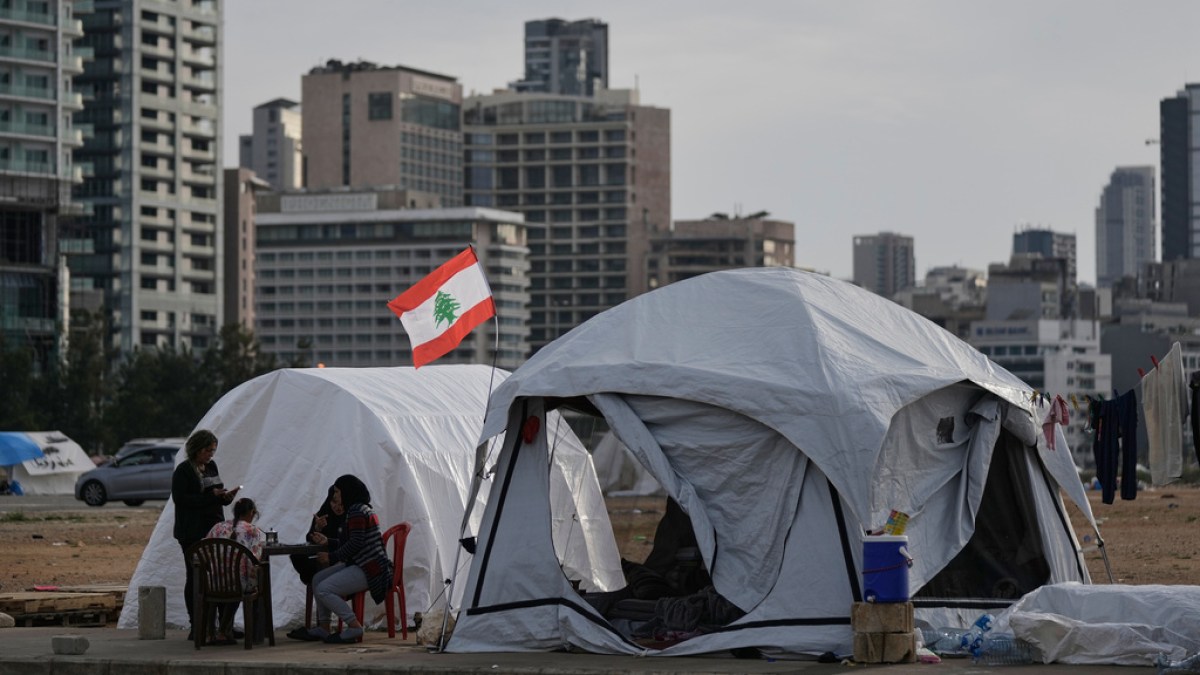
The FAO/WFP/Ministry of Agriculture statement attributed the deterioration to three compounding forces: active conflict, displacement of populations, and economic pressures directly linked to the Israel-Hezbollah war, as reported by The National. Lebanese authorities, cited by Al Jazeera, say the conflict has killed more than 2,500 people in Lebanon and displaced more than one million.
WFP country director in Lebanon Allison Oman Lawi described the scale of the renewed hunger crisis in a statement carried by Al Jazeera: "Families who were just managing to cope are now being pushed back into crisis as conflict, displacement and rising costs collide, making food increasingly unaffordable."
FAO representative in Lebanon Nora Ourabah Haddad pointed to the agricultural sector as a particular concern, saying in the same joint statement that "compounded shocks are undermining agricultural livelihoods and impacting food security, highlighting the urgent need for emergency agricultural assistance to support farmers and prevent further deterioration."
A ceasefire that took effect on April 17 reduced the intensity of the latest round of fighting, according to Al Jazeera and the New Indian Express. However, Israeli forces remain active in southern Lebanon, and cross-border fire has continued despite the truce, according to both outlets.
FAO's 2026 Global Report on Food Crises, released in a joint news statement, notes that the broader Middle East conflict is generating regional food-market and logistics risks capable of worsening purchasing power for vulnerable communities across the region.
Context
Lebanon entered the latest phase of the Israel-Hezbollah conflict already burdened by years of compounding crises: a financial collapse that began in 2019, the 2020 Beirut port explosion, and persistent political deadlock. The country's capacity to absorb additional shocks has been severely depleted.
The IPC classification system, used by UN agencies and governments worldwide, provides a standardized measure of food insecurity severity. Crisis — the third tier — sits below Emergency (Phase 4) and Catastrophic (Phase 5). The projection that more than 1.24 million people are heading toward IPC Phase 3 or worse underscores how widely the effects of the conflict have spread beyond the front lines, according to The National.
FAO's 2026 Global Report on Food Crises identifies the Middle East as a region where active conflict is acting as a multiplier on existing food vulnerabilities, driving both supply-chain disruptions and reduced purchasing power at the household level, according to the FAO joint news release.
What's Next
The FAO and WFP joint statement calls for emergency agricultural assistance to support Lebanese farmers and prevent further deterioration in food production, according to the statement cited by Al Jazeera. No specific funding figures or timelines for that assistance were included in the sourced record.
The IPC projection covers the period through August 2026. The situation is subject to change depending on developments in the security environment — the April 17 ceasefire remains fragile, with cross-border fire continuing in southern Lebanon, according to Al Jazeera and the New Indian Express.
Never Miss a Signal
Get the latest breaking news and daily briefings from Zero Signal News directly to your inbox.