
US Extends Russian Oil Sanctions Waiver Amid Iran War Energy Crisis
Zero Signal Staff
Published April 18, 2026 at 6:19 AM ET · 181 days ago
AP News
The U.S. Treasury Department has issued a 30-day extension of a sanctions waiver for Russian oil shipments to mitigate global energy shortages caused by the ongoing war with Iran.
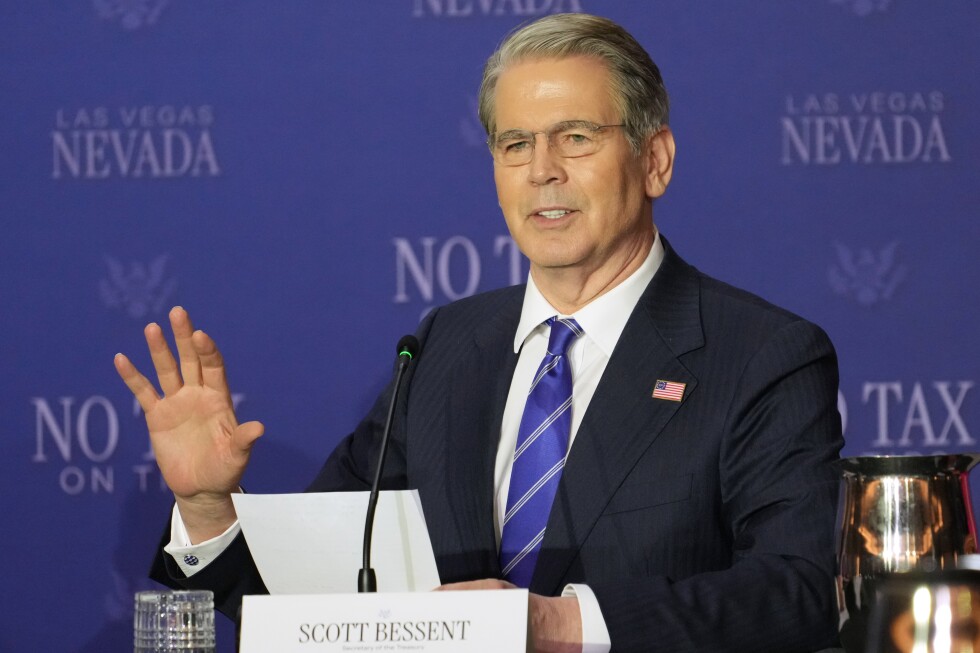
The U.S. Treasury Department has issued a 30-day extension of a sanctions waiver for Russian oil shipments to mitigate global energy shortages caused by the ongoing war with Iran. The move, announced Friday, April 17, allows for the purchase of Russian oil and petroleum products loaded onto vessels as of that date. This policy shift comes just two days after Treasury Secretary Scott Bessent publicly stated that the administration would not renew such licenses.
The Details
The new general license remains in effect until 12:01 a.m. on May 16, 2026. It replaces a previous 30-day waiver that expired on April 11. According to Kirill Dmitriev, a special envoy for Russian President Vladimir Putin, this extension will facilitate the movement of another 100 million barrels of Russian oil. When combined with a separate Iranian oil waiver, the total volume of oil affected reaches 200 million barrels.
The reversal follows significant pressure from Asian nations grappling with a severe global energy shock. Partner countries requested the extension during high-level meetings on the sidelines of the G20, World Bank, and IMF summits in Washington. President Trump also discussed the issue of oil supplies during a recent telephone call with Indian Prime Minister Narendra Modi.
A Treasury Department spokesperson attributed the decision to accelerating negotiations with Iran, stating that the department wants to ensure oil remains available to those who need it. The waiver specifically excludes any transactions involving Iran, Cuba, or North Korea.
The decision creates a stark contrast to the stance taken by Treasury Secretary Scott Bessent on Wednesday, April 15. During a White House press briefing, Bessent explicitly told reporters, 'We will not be renewing the general license on Russian oil, and we will not be renewing the general license on Iranian oil.' The administration has not provided an immediate detailed explanation for the sudden pivot.
This energy volatility is tied directly to the U.S.-Israeli war with Iran, which began on February 28, 2026. The conflict has seen more than 80 oil and gas facilities in the Middle East damaged. The International Energy Agency has characterized the current situation as the most severe global energy supply disruption in history.
Context
The energy crisis was exacerbated by Iran's retaliation in the conflict, in which Tehran effectively closed the Strait of Hormuz. This waterway previously handled approximately one-fifth of the world's energy flow. While Iran temporarily reopened the strait on Friday—causing global oil prices to drop 9% to roughly $90 a barrel—the market remains fragile.
Domestically, the Trump administration faces pressure as U.S. gasoline prices have surged, impacting households ahead of the November 2026 midterm elections. However, the move has drawn sharp criticism from Democratic lawmakers. Senator Richard Blumenthal (D) argued that the waiver provides Russia with critical funds to fuel its war in Ukraine and assists Iranian intelligence efforts.
International tensions are also rising as European allies question the U.S. strategy. European Commission President Ursula von der Leyen has asserted that relaxing sanctions against Russia is inappropriate at this time, placing Washington at odds with its G7 partners. French Finance Minister Roland Lescure emphasized that Russia should not benefit from the turmoil in Iran, noting that Ukraine must not become 'collateral damage.'
What's Next
The current Iranian oil waiver, issued on March 20 and covering 140 million barrels, is set to expire on Sunday, April 19. Market analysts are closely watching to see if the administration will apply a similar extension to Iranian shipments to further stabilize prices.
Sanctions experts, including Brett Erickson of Obsidian Risk Advisors, suggest that the tools available to stabilize global energy markets are nearly exhausted. Future waivers may depend heavily on the outcome of the accelerating negotiations between the U.S. and Iran.
Observers will also monitor whether Russia uses the financial windfall from these waivers to further cancel planned budget cuts, a move that has already drawn accusations from critics in the U.S. Senate that the policy is directly funding the Kremlin's military operations.
Never Miss a Signal
Get the latest breaking news and daily briefings from Zero Signal News directly to your inbox.