
U.S. Gas Prices Hit Wartime High as Iran Conflict Drives Oil Surge
Zero Signal Staff
Published April 30, 2026 at 8:45 AM ET · 150 days ago
NBC News, CNN Business, CBS News
The national average price of gasoline in the United States climbed to $4.30 per gallon on April 30, its highest point since the war with Iran began, as Brent crude oil briefly touched $126.41 a barrel — a four-year peak — according to CNN Business.
The national average price of gasoline in the United States climbed to $4.30 per gallon on April 30, its highest point since the war with Iran began, as Brent crude oil briefly touched $126.41 a barrel — a four-year peak — according to CNN Business. The surge follows stalled ceasefire negotiations and continued disruption to shipping through the Strait of Hormuz, a critical artery for global oil supply that normally carries roughly one-fifth of the world's crude, CBS News reported.
The Details
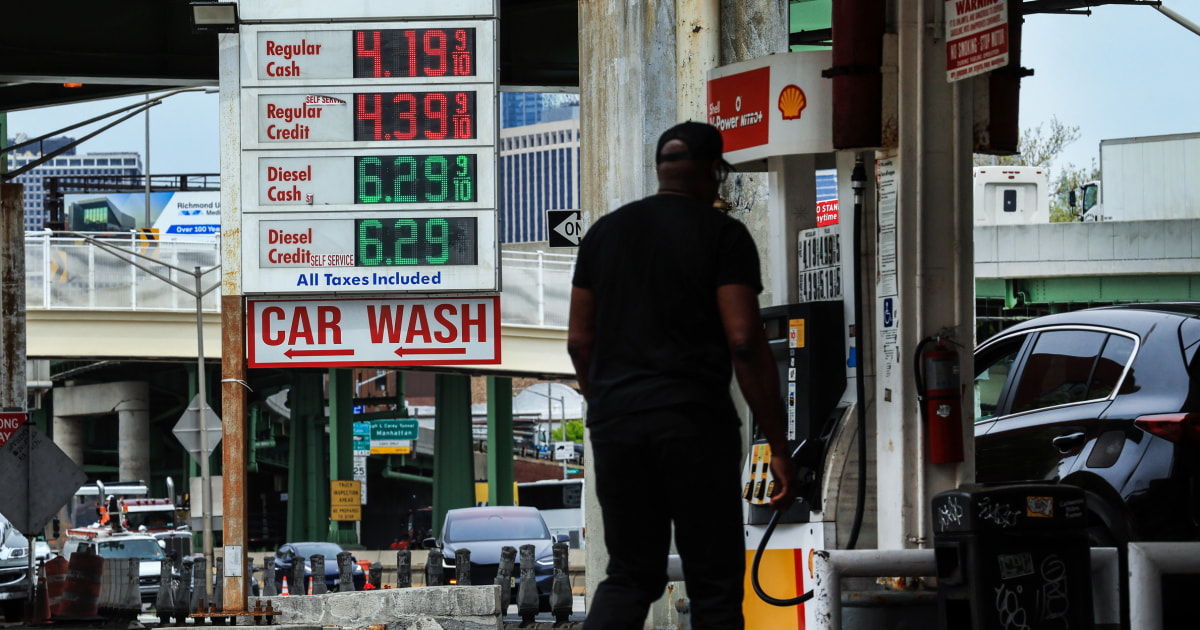
Pump prices have risen sharply since the conflict with Iran began in late February. According to NBC News, the U.S. national average stood at $4.23 per gallon on April 29, a figure confirmed by AAA that marked a new wartime high at the time. By April 30, CNN Business reported the AAA average had climbed further to $4.30.
The pace of the increase has been severe. NBC News reported that gasoline prices have risen approximately $1.25 per gallon — more than 40% — since before the war started, with a single-day jump of seven cents recorded on April 28 alone.
CBS News reported on April 27 that disruption through the Strait of Hormuz had already pushed the national average above $4 per gallon. The Strait is a narrow chokepoint connecting the Persian Gulf to the Gulf of Oman; CBS News said it normally carries roughly one-fifth of the world's oil supply. War-related interference with that traffic has placed sustained upward pressure on crude prices globally.
CNN Business reported on April 30 that Brent crude — the international benchmark — briefly reached $126.41 a barrel, its highest level in four years. That oil price increase has fed directly into higher costs at the pump, and energy analysts quoted by NBC News said that seasonal factors are amplifying the effect.
Tom Kloza, Gulf Oil's chief energy adviser, described the toll on gas station operators. "This is the most serious squeeze, in terms of margin suppression, we've seen for retailers since 2020," Kloza told NBC News. As crude costs rise faster than retailers can pass them to consumers, station margins have been compressed sharply.
Context
Higher oil prices are being driven by two reinforcing forces, according to CNN Business and CBS News: ongoing war-related disruption to Strait of Hormuz traffic and the failure so far of ceasefire negotiations to produce a diplomatic resolution. Without a breakthrough, analysts cited in reporting have found little basis for expecting crude prices to ease.
NBC News noted that the timing of the oil shock coincides with routine seasonal pressure on gasoline prices. Refineries undergo scheduled maintenance in spring, and summer driving demand has historically tightened supply in the second quarter. That annual pattern is compounding the war-related spike, NBC said, producing a convergence that has pushed prices higher faster than either factor would on its own.
Mark Zandi, chief economist at Moody's Analytics, offered a sobering read of the broader economic picture. "I think the damage has already been done, in part because there's no going back on oil prices, at least not any time in the near future," Zandi told CBS News. His remarks pointed to the longer-lasting economic effects of a sustained energy price shock — effects that may linger even if the conflict eventually de-escalates.
What's Next
CBS News reported that ceasefire talks appeared to be stalling as of April 30, with no resolution in sight. Without a negotiated halt to hostilities, traffic through the Strait of Hormuz is expected to remain disrupted, keeping upward pressure on crude and, in turn, on pump prices across the United States.
According to NBC News, gasoline prices typically continue rising through the spring and into the early summer driving season before easing. With the war-related premium layered on top of that seasonal pattern, further near-term increases remain a real possibility, NBC reported.
Never Miss a Signal
Get the latest breaking news and daily briefings from Zero Signal News directly to your inbox.