
US-Iran Ceasefire Deadline Looms With No Deal As Both Sides Trade Threats
Zero Signal Staff
Published April 22, 2026 at 12:49 AM ET · 158 days ago
AP News
A critical two-week ceasefire between the United States and Iran is set to expire on Wednesday, April 22, 2026, with no agreement in place to extend the truce.
A critical two-week ceasefire between the United States and Iran is set to expire on Wednesday, April 22, 2026, with no agreement in place to extend the truce. Both nations have warned they are prepared to resume hostilities, while the prospect of a second round of peace talks in Islamabad remains uncertain. The diplomatic deadlock coincides with escalating naval tensions and a volatile global energy market.
The Details
The current truce, which began on April 8, has been strained by a series of military escalations. On Tuesday, US forces boarded the M/T Tifani, a sanctioned oil tanker. This followed the seizure of an Iranian container ship in the Gulf of Oman on Sunday, marking the first known use of force under the US naval blockade of Iranian ports. Iran's joint military command has condemned these actions as acts of piracy and violations of the ceasefire.
Diplomatic efforts to prevent a return to war are currently stalled. The first round of negotiations in Islamabad, led by US Vice President JD Vance and Iranian Parliament Speaker Mohammad Bagher Qalibaf, ended on April 12 without a deal. Major points of contention remain Iran's nuclear enrichment program, its regional proxies, and the status of the Strait of Hormuz.
While some regional officials indicate that both Washington and Tehran have signaled a willingness to meet for a second round of talks, official confirmation from Tehran is absent. Iranian state television reported that no delegation had yet visited Islamabad, and Foreign Ministry spokesman Esmail Baghaei stated that no final decision has been made, citing 'unacceptable actions' by the US.
President Donald Trump has taken a hardline stance on the deadline. In an interview with CNBC, Trump stated he does not favor extending the ceasefire, asserting that Iran 'had a choice' and 'they have to negotiate.' He previously warned that 'lots of bombs' would begin falling if an agreement is not reached, specifically threatening Iranian power plants and civilian infrastructure.
In response, Speaker Qalibaf accused the US of attempting to force a surrender, stating on X that Iran does not accept negotiations 'under the shadow of threats.' Qalibaf further claimed that Iran possesses 'new cards on the battlefield' that have not yet been revealed. Iranian government spokeswoman Fatemeh Mohajerani added that Tehran remains open to diplomacy provided it is based on 'courtesy, respect, and recognition.'
Context
The conflict began on February 28, 2026, following attacks on Iran by the United States and Israel. The war has resulted in a significant human toll, with at least 3,375 deaths reported in Iran, as well as casualties in Israel, Lebanon, and throughout the Gulf Arab states.
A central flashpoint of the conflict is the Strait of Hormuz, a narrow shipping lane responsible for 20% of the world's natural gas and crude oil transit. Iran has repeatedly closed the strait to commercial shipping, most recently on Sunday, claiming the US blockade of its ports violated the ceasefire.
These closures have triggered a global energy crisis. Brent crude has surged more than 30% since February, trading near $95 per barrel. The International Energy Agency reports that Europe's jet fuel reserves have dwindled to approximately six weeks, prompting emergency meetings among European Union transportation ministers in Brussels to protect consumers from soaring fuel prices.
What's Next
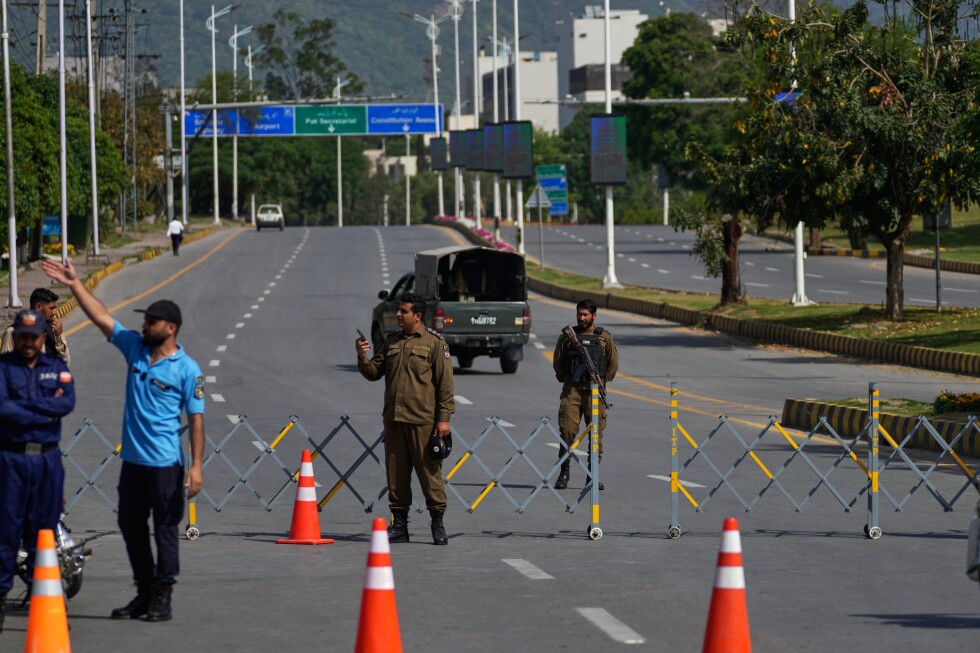
The immediate focus rests on whether Vice President JD Vance and the US delegation will travel to Islamabad before the Wednesday deadline. While Pakistan continues to mediate and expresses confidence in bringing Iran to the table, the timeline is narrow, and Vance remained in Washington as of Tuesday.
If the ceasefire expires without a renewal or a comprehensive deal, the region faces an imminent risk of intensified aerial and naval combat. The US may escalate its naval blockade, while Iran may deploy the 'new cards' mentioned by Qalibaf, potentially targeting shipping lanes further.
Economically, a breakdown in talks will likely sustain or increase the pressure on global oil prices, further straining European energy security and potentially triggering broader inflation in global transport and energy costs.
Never Miss a Signal
Get the latest breaking news and daily briefings from Zero Signal News directly to your inbox.