
US-Iran Ceasefire Talks on Hold as Wednesday Deadline Looms
Zero Signal Staff
Published April 21, 2026 at 4:11 PM ET · 158 days ago
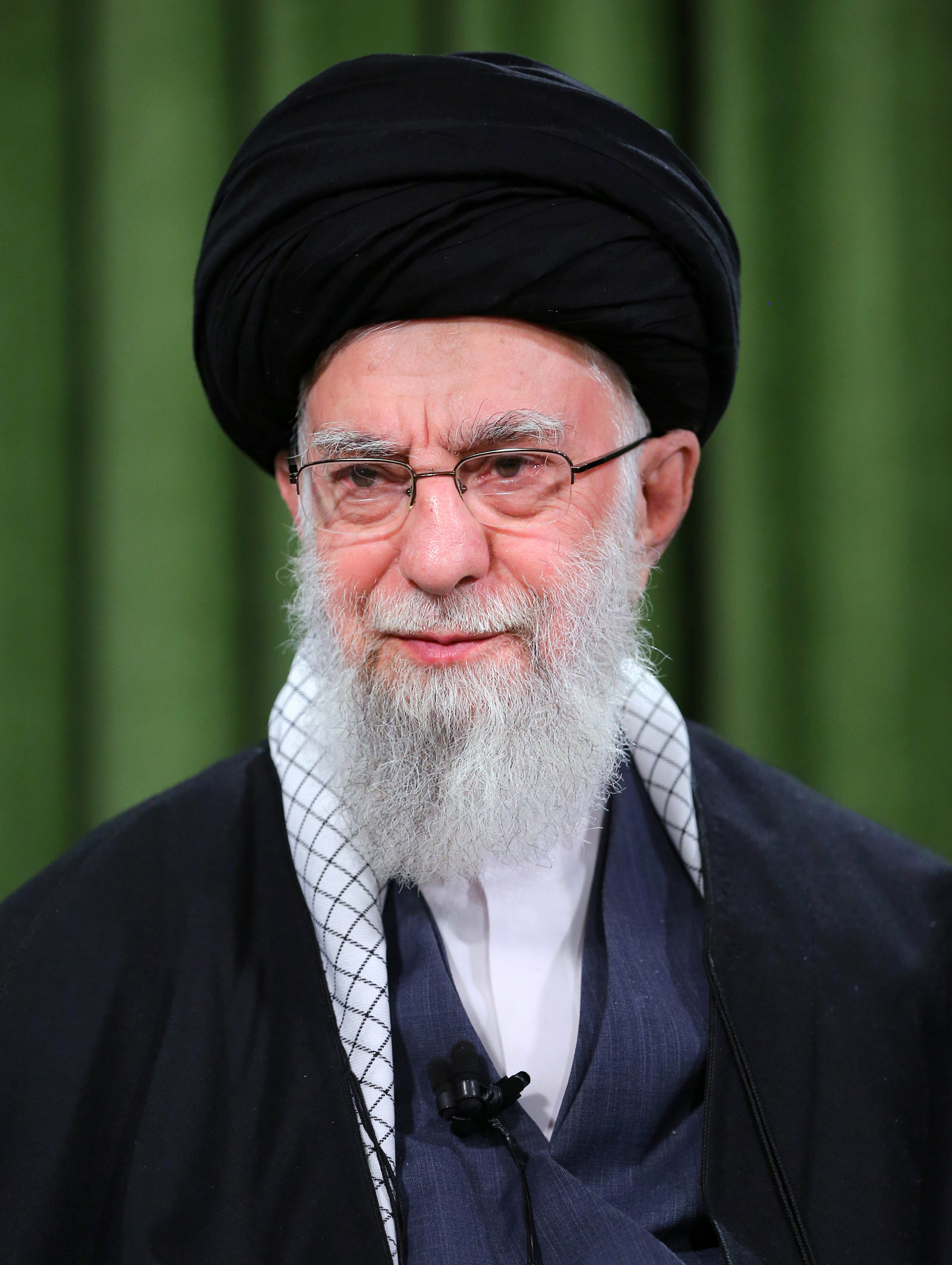
AP News / Reuters / The Guardian
Diplomatic efforts to extend the fragile ceasefire between the United States and Iran have stalled as a Wednesday deadline approaches.
Diplomatic efforts to extend the fragile ceasefire between the United States and Iran have stalled as a Wednesday deadline approaches. Vice President JD Vance has called off his planned trip to Islamabad for a second round of negotiations, while Tehran remains undecided on its participation. President Donald Trump has signaled a lack of desire to extend the truce, stating that the U.S. military is "raring to go."
The Details
The breakdown in diplomatic momentum comes as the two-week ceasefire, which began on April 8, prepares to expire at 8 p.m. Eastern Time on Wednesday. U.S. official sources confirmed that Vice President Vance, who was slated to lead the American delegation in Pakistan, has canceled his travel. Simultaneously, Iranian Foreign Ministry spokesman Esmaeil Baghaei stated that no final decision has been made regarding attendance, citing "unacceptable actions" by the United States.
Tensions have escalated following recent U.S. naval operations. On Tuesday, U.S. forces boarded the M/T Tifani, a sanctioned tanker carrying approximately 2 million barrels of crude oil, in the Indian Ocean near Sri Lanka. This follows the Sunday seizure of an Iranian-flagged cargo ship—the first interception under a U.S. blockade of Iranian ports imposed last week. Baghaei characterized these seizures as "piracy at sea and state terrorism," arguing they undermine Washington's credibility in negotiations.
President Trump has taken a hard line against an extension of the truce. In an interview with CNBC, Trump remarked, "I don't want to do that. We don't have that much time." He further indicated that a return to military action is the likely outcome if no agreement is reached, stating, "I expect to be bombing because I think that's a better attitude to go in with."
Despite the impasse, Pakistani officials continue to seek a resolution. Prime Minister Shehbaz Sharif and Foreign Minister Ishaq Dar have worked intensively to facilitate the talks. Pakistan's information minister, Attaullah Tarar, noted that "sincere efforts" to convince the Iranian leadership to participate are ongoing, even as nearly 20,000 security personnel have been deployed in Islamabad and government offices have been shut down in anticipation of the summit.
The geopolitical stakes remain high, with Iran maintaining a large-scale blockade of the Strait of Hormuz. While Tehran briefly announced a plan to reopen the strait last week, the decision was reversed on Saturday after the U.S. refused to lift its port blockade.
Context
The current conflict began on February 28, 2026, triggered by joint U.S.-Israeli strikes that killed the Iranian supreme leader, Ayatollah Ali Khamenei. The resulting war has claimed at least 3,375 lives in Iran and more than 2,290 in Lebanon, marking the most significant direct confrontation between the two nations since the 1979 Islamic Revolution.
The economic fallout has been global. The closure of the Strait of Hormuz has removed approximately 20 million barrels of oil per day from the world market, driving Brent crude prices toward $98 per barrel—a 30% increase since the start of the war. The IEA has described the situation as the biggest crisis in the history of global energy markets, with European ministers warning that jet fuel supplies may only last another six weeks.
Diplomatically, the U.S. has demanded that Iran abandon its nuclear weapon ambitions and surrender stockpiles of enriched uranium. In response, Tehran has maintained that its program is for peaceful purposes. Additionally, President Trump has threatened 50% tariffs on any nations providing weapons to Iran, a move that threatens to destabilize U.S.-China trade relations.
What's Next
The immediate focus is the Wednesday 8 p.m. ET deadline. If no agreement is struck, the region faces a high probability of renewed U.S. airstrikes, as hinted by the President's remarks. Iranian government spokesperson Fatemeh Mohajerani warned that if attacks occur, Tehran will respond "more firmly than before."
There is also significant risk to other regional stability efforts. Analysts warn that a total collapse of U.S.-Iran negotiations could jeopardize a separate 10-day ceasefire between Israel and Hezbollah in Lebanon. Diplomatic talks between Israel and Lebanon are scheduled to resume Thursday in Washington, but those may be preempted by a broader regional escalation.
Internally, Iran remains divided. Pragmatic leaders, including President Masoud Pezeshkian, are reportedly leaning toward an accord, while IRGC leader Ahmad Vahidi continues to push for a confrontational stance. Consultations are expected to continue in Washington between President Trump, special envoy Steve Witkoff, and Jared Kushner to determine the final U.S. posture before the ceasefire expires.
Never Miss a Signal
Get the latest breaking news and daily briefings from Zero Signal News directly to your inbox.