
US Launches Refund Portal for Businesses After Supreme Court Strikes Down Trump Tariffs
Zero Signal Staff
Published April 21, 2026 at 11:42 PM ET · 158 days ago
AP News
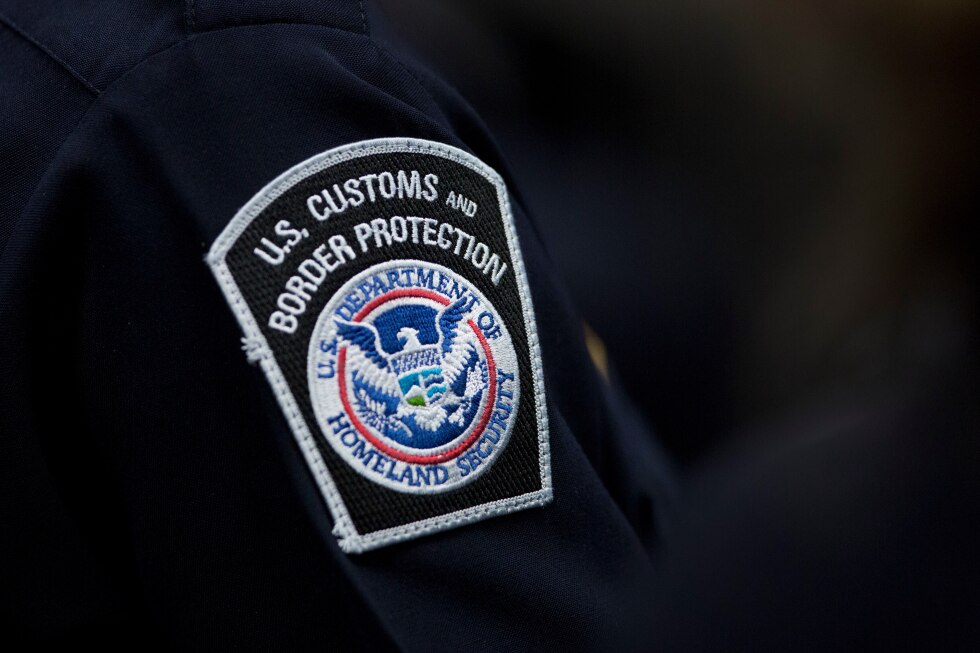
U.S. Customs and Border Protection launched an online refund portal on Monday for businesses seeking reimbursement for tariffs imposed by President Donald Trump.
U.S. Customs and Border Protection launched an online refund portal on Monday for businesses seeking reimbursement for tariffs imposed by President Donald Trump. The system follows a February 20 Supreme Court ruling that determined the president lacked the constitutional authority to set these import tax rates. Over 330,000 importers are eligible to claim a portion of the estimated $166 billion paid in duties.
The Details
The refund process began at 8 a.m. Monday, allowing importers and their brokers to submit declarations listing goods affected by the overturned tariffs. According to CBP, if a claim is approved, refunds will be issued within 60 to 90 days. However, the agency is processing these payments in phases, prioritizing more recent payments first.
To be eligible, importers must first register for the CBP's electronic payment system. As of April 14, approximately 56,497 importers had completed this registration, making them eligible for refunds totaling $127 billion, including interest.
Not all taxable imports are immediately eligible for the first phase of the rollout. This initial stage is limited to cases where tariffs were estimated but not yet finalized, or were within 80 days of a final accounting.
Legal and accounting experts have warned businesses that accuracy is critical. Any errors in formatting or data, or the inclusion of non-qualifying entries in a file, could lead to the rejection of an entire submission.
Early reports from the portal's launch indicate some technical difficulties. Some business owners and lawyers reported system lag and bugs when attempting to create accounts and submit documentation.
Small businesses, in particular, have expressed a mix of hope and skepticism. Some reporting modest payouts of tens of thousands of dollars, others remain cautious about whether the government will actually deliver the funds.
Context
The legal battle centered on the International Emergency Economic Powers Act (IEEPA). In a 6-3 decision, the Supreme Court found that President Trump usurped the tax-setting role of Congress when he implemented new import tax rates last April. He had cited the U.S. trade deficit as a national emergency to justify the move.
While the Supreme Court's majority ruling did not explicitly address the issue of refunds, a subsequent determination by a judge at the U.S. Court of International Trade last month ruled that companies subjected to these IEEPA tariffs were legally entitled to their money back.
Historically, tariffs are paid by the importers of record. However, many of these costs were passed on to consumers through higher retail prices, creating a complex secondary layer of financial restitution.
What's Next
The primary focus now shifts to the speed and accuracy of CBP's processing. As the government moves through the phases of reimbursement, the total amount returned to the economy could be significant, though the agency has cautioned that procedural issues may cause delays.
Whether consumers will see any of this money remains uncertain. Businesses that paid the tariffs are not legally obligated to pass the refunds back to their customers. However, several class-action lawsuits are currently moving through the court system targeting major retailers like Costco and Essilor Luxottica to force such reimbursements.
Some delivery services, including FedEx, have stated they intend to return tariff refunds to customers who paid them directly, with filing claims beginning on April 20.
Never Miss a Signal
Get the latest breaking news and daily briefings from Zero Signal News directly to your inbox.