
Wall Street Gains as Israel-Lebanon Ceasefire Ignites Market Optimism
Zero Signal Staff
Published April 17, 2026 at 9:43 AM ET · 182 days ago
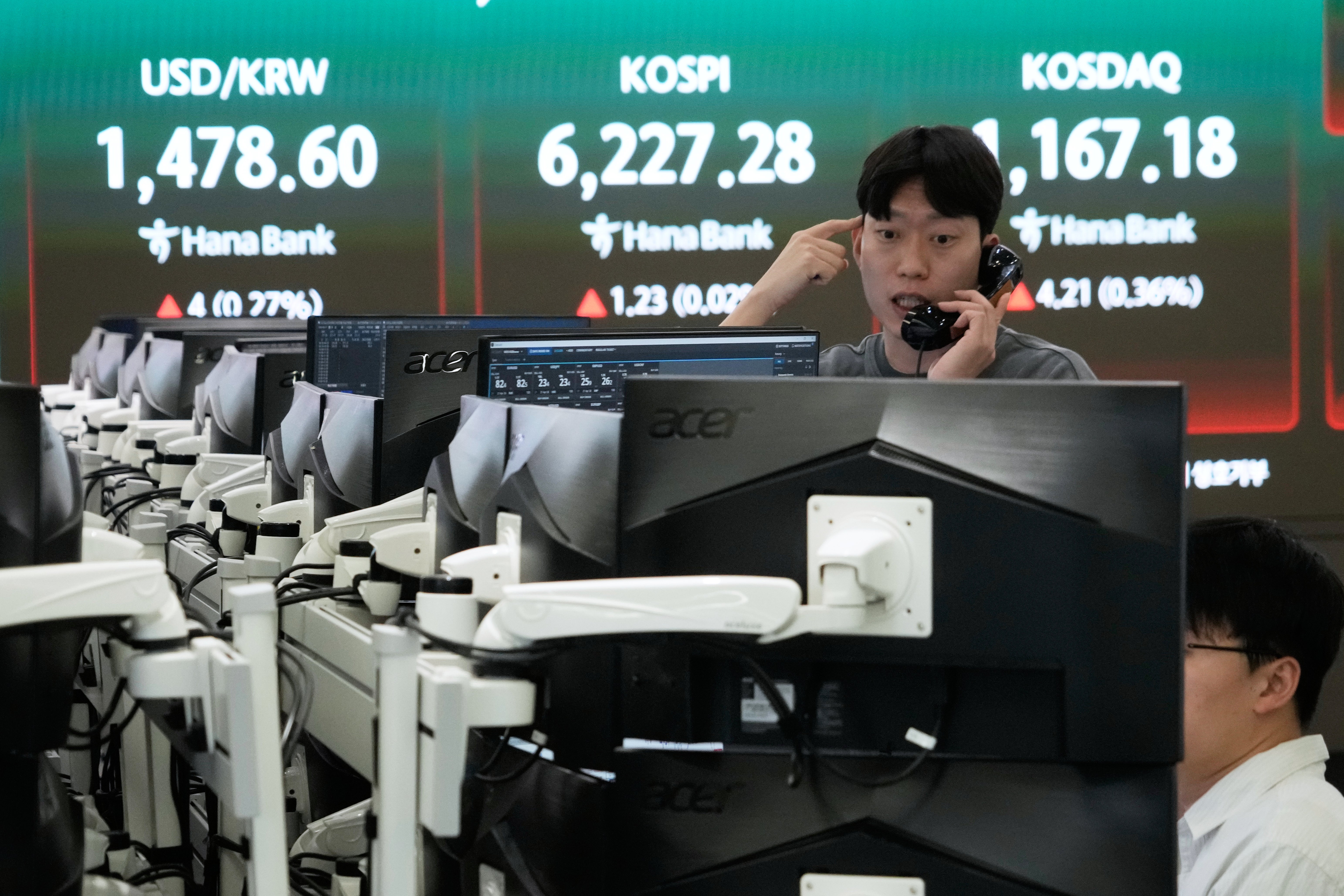
AP News
U.S. stock futures rose Friday as markets reacted positively to a 10-day ceasefire between Israel and Lebanon announced by President Donald Trump.
U.S. stock futures rose Friday as markets reacted positively to a 10-day ceasefire between Israel and Lebanon announced by President Donald Trump. The truce, which took effect Thursday evening, has triggered a rally in equities and a sharp decline in oil prices. Investors are now weighing whether this de-escalation will pave the way for a broader agreement with Iran.
The Details
Wall Street is currently on track to secure its third consecutive winning week. On April 17, Dow futures climbed 0.5%, while S&P 500 and Nasdaq futures rose 0.3%. The S&P 500 specifically has seen 11 gains in the last 12 days, with U.S. stocks leaping more than 10% since late March as geopolitical tensions eased.
The ceasefire, announced by President Trump late on April 16, became active at 17:00 EST. Under the terms, Israel maintains the right to take all necessary measures in self-defense against imminent attacks, and Israeli troops will remain stationed 10 kilometers deep into southern Lebanon. Prime Minister Benjamin Netanyahu described the truce as an opportunity for a historic peace agreement, though he emphasized that Israel is making few concessions, stating, 'We are there, and we are not leaving.'
Energy markets responded aggressively to the news. Oil prices plummeted by more than 3%, with benchmark U.S. crude sliding $3.39 to $87.78 a barrel—its lowest level in weeks. Brent crude fell 3.2% to $96.15 per barrel, a significant drop from the peak of approximately $119 seen during the height of the conflict.
While the mood is generally optimistic, some volatility remains. Netflix shares plunged over 10% overnight following the announcement that cofounder Reed Hastings will step down from the board in June and a disappointing company outlook. Internationally, market reactions were mixed; Germany's DAX gained 0.5% and France's CAC 40 rose 0.4%, while Tokyo's Nikkei 225 fell 1.8% after hitting an all-time high.
Hezbollah has agreed to participate in the ceasefire but maintains strict conditions. The group is demanding a comprehensive halt to all attacks across Lebanon and no freedom of movement for Israeli forces. A senior Hezbollah leader, Wafiq Safa, told the BBC that the group would 'never, ever' disarm, insisting on a full Israeli withdrawal and the return of prisoners and displaced persons first.
Context
The current tensions began in late February 2026 with U.S. and Israeli strikes on Iran. By early March, Hezbollah launched rockets into Israel in retaliation, prompting Israeli air strikes and a ground invasion of southern Lebanon. To date, the conflict has displaced more than 1.2 million people in Lebanon and resulted in the deaths of 13 Israeli soldiers and two civilians in combat.
Economically, the conflict caused severe disruption. The U.S. imposed a sea blockade on Iranian ports, largely closing the Strait of Hormuz. This led the IMF to raise the global inflation forecast to 4.4%, driven by surging costs for oil, gas, and fertilizer. The International Energy Agency recently warned that Europe may have only six weeks of jet fuel supplies remaining, threatening imminent flight cancellations.
This is not the first attempt at a truce; a previous ceasefire in November 2024 failed to stop near-daily cross-border strikes. Furthermore, internal Israeli politics remain strained, with nearly 80% of Israelis polled by Channel 12 supporting continued strikes against Hezbollah.
What's Next
The primary focus for investors is now whether this truce will extend to the separate two-week ceasefire between the U.S. and Iran. President Trump has indicated he is open to an extension, and Iran's U.N. envoy described Tehran as 'cautiously optimistic' regarding negotiations.
However, analysts warn that significant risks remain. Strategists at ING Bank noted that the 'key upside risk' for the market is a breakdown in peace talks between the U.S. and Iran, given that the demands of both nations remain far apart. The durability of the Israel-Lebanon truce also remains questionable given the rigid conditions set by Hezbollah and the continued presence of Israeli troops in the security zone.
Market participants will be watching for official confirmation on the Strait of Hormuz's status. While Iran claims the strait is 'completely open' for the remainder of the ceasefire, the actual flow of commercial shipping will be the true measure of whether the 'war shock' recovery can be sustained.
Never Miss a Signal
Get the latest breaking news and daily briefings from Zero Signal News directly to your inbox.