
Wall Street Surges as Iran Reopens Strait of Hormuz; S&P 500 Tops 7,100
Zero Signal Staff
Published April 17, 2026 at 4:29 PM ET · 1 day ago
Wall Street Journal
U.S. equity markets surged to record closes on Thursday, driven by an announcement from Iran that the Strait of Hormuz is now open to commercial shipping.
U.S. equity markets surged to record closes on Thursday, driven by an announcement from Iran that the Strait of Hormuz is now open to commercial shipping. The S&P 500 surpassed the 7,100 mark for the first time in history, while the Dow Jones Industrial Average gained approximately 900 points. The rally follows a period of intense volatility sparked by the U.S.-Iran conflict.
The Details
The Dow Jones Industrial Average closed at 49,435.36, an increase of 1.76%. Similarly, the S&P 500 closed at 7,124.49, marking its third consecutive record close, and the Nasdaq Composite rose 1.49% to finish at 24,461.04. Small-cap stocks also saw gains, with the Russell 2000 rising 2.09% to 2,776.34. This broad-based rally was mirrored by a drop in U.S. Treasury yields and the U.S. dollar as investors shifted toward riskier assets.
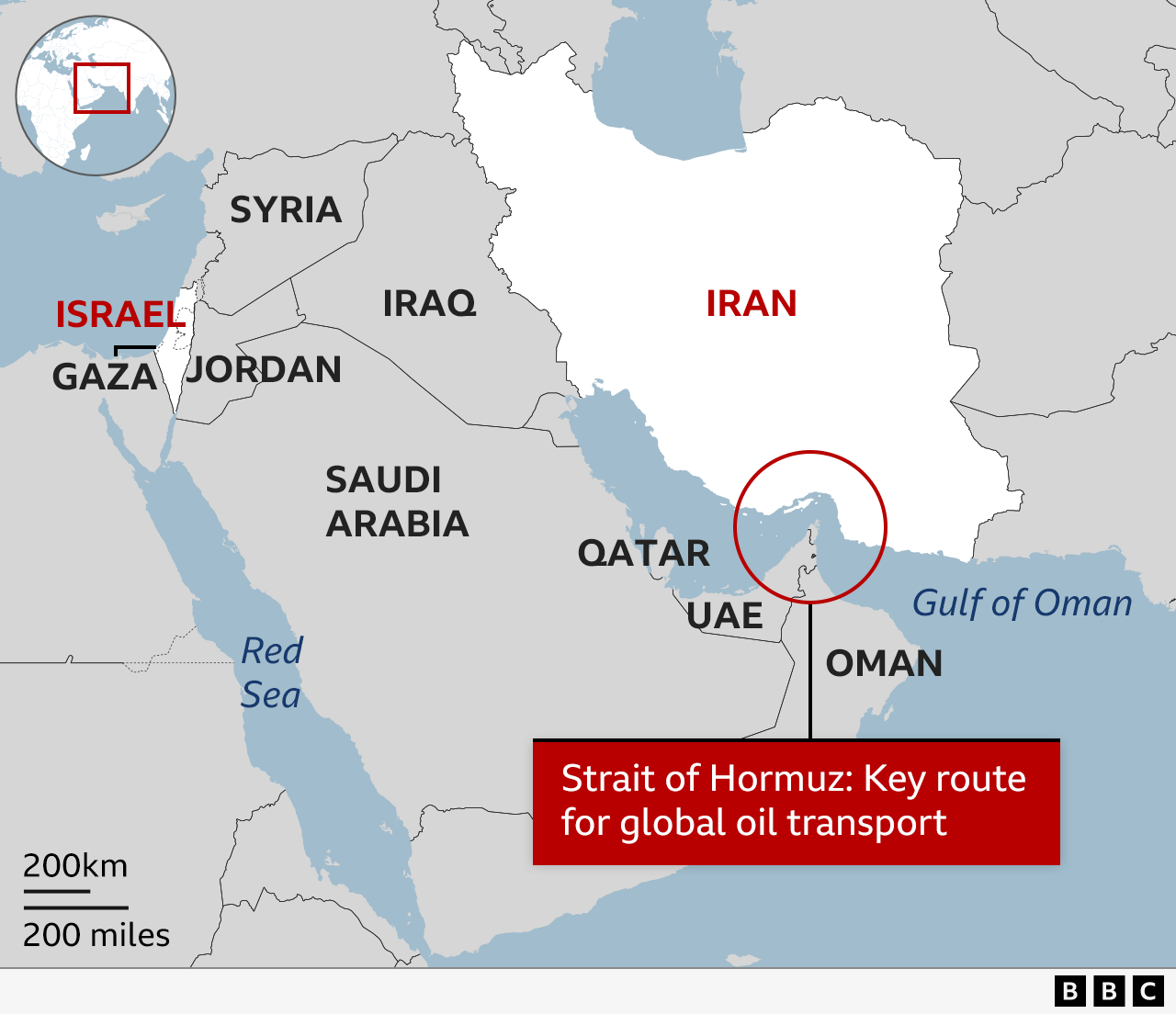
The primary catalyst for the rally was a statement from Iranian Foreign Minister Seyed Abbas Araghchi on X, where he declared the Strait of Hormuz 'completely open' to commercial vessels for the remainder of the ceasefire period. This reopening is critical for global energy markets, as the strait handles roughly 20% of global oil and LNG shipments.
Energy prices reacted immediately to the news. Brent crude futures plummeted 9.1% to $90.38 a barrel, while WTI crude dropped 11% to $83.85. The reduction in geopolitical risk was further reflected in the VIX volatility index, which closed down 2.68% at 17.46.
Despite the market optimism, the political situation remains tense. President Donald Trump acknowledged the progress toward a ceasefire but emphasized that the U.S. naval blockade on Iranian ports will remain in full effect until negotiations are '100% COMPLETE.'
Individual stock performance was mixed. Eli Lilly surged roughly 13% following successful weight-loss drug trials, and Oracle saw a 29% gain over the first four days of the week. Conversely, Netflix shares fell approximately 10% after the company issued a weak revenue forecast and announced that co-founder Reed Hastings would leave the board in June. Nvidia also faced pressure after taking a $5.5 billion charge related to U.S. export restrictions on China.
Context
The current market euphoria follows a turbulent period that began in late February 2026, when the U.S.-Iran war broke out. This conflict triggered a five-week decline for major stock indexes and significant global economic instability. A central point of tension was the closure of the Strait of Hormuz by Iran's Revolutionary Guards approximately 45 days ago, which resulted in an estimated loss of 496 million barrels of Middle Eastern crude and condensate.
Recovery began in early April, with the S&P 500 and Nasdaq recording record closes on April 15 and 16 prior to Thursday's surge. For the week ending April 17, both indexes are on track for their largest three-week percentage gains since 2020.
Other assets also reacted to the shifting geopolitical landscape. Gold rose 1.49% to $4,879.90, and Bitcoin increased 2.69% to $77,404.40. However, the broader economic outlook remains complicated by inflation concerns, with Federal Reserve Chair Jerome Powell previously warning that tariffs are contributing to inflationary pressures, raising the specter of stagflation.
What's Next
Attention now turns to Islamabad, Pakistan, which is hosting key ceasefire negotiations. Prime Minister Sharif recently greeted Iran's Parliament speaker Mohammad Bagher Ghalibaf, signaling continued diplomatic efforts to finalize a peace agreement.
Markets will remain sensitive to the finality of these negotiations. While the reopening of the Strait of Hormuz provides immediate relief to energy prices and investor sentiment, the continued U.S. naval blockade ensures that a full return to stability depends on the successful completion of the diplomatic process.
Investors will also be monitoring the impact of U.S. export restrictions on technology firms like Nvidia and the ongoing inflationary trends highlighted by the Federal Reserve, as these factors could temper the current risk-on rally.
Never Miss a Signal
Get the latest breaking news and daily briefings from Zero Signal News directly to your inbox.