
Woman warns of black-market weight-loss jab risk after intensive care stay
Zero Signal Staff
Published May 14, 2026 at 3:00 AM ET · 151 days ago
BBC News / MHRA / NICE
A Liverpool woman has described collapsing and fearing for her life after injecting a weight-loss pen bought through informal contacts, as UK regulators and campaigners warn that unregulated "skinny jabs" carry serious health risks and are being sold
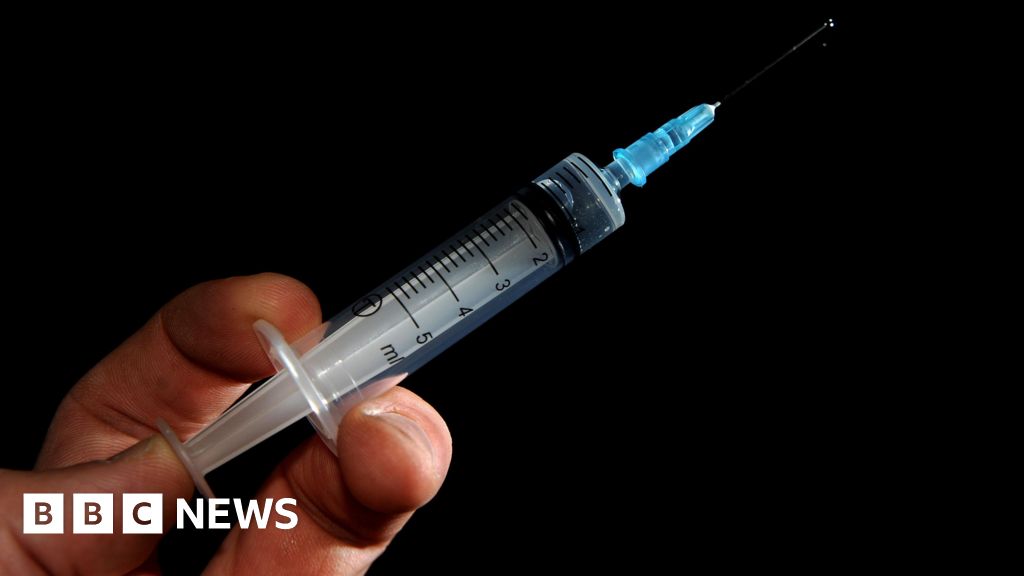
A Liverpool woman has described collapsing and fearing for her life after injecting a weight-loss pen bought through informal contacts, as UK regulators and campaigners warn that unregulated "skinny jabs" carry serious health risks and are being sold outside legal prescription channels across Britain.
The Details
The woman, using the pseudonym Chloe, told the BBC she purchased the injection from a "friend of a friend" after beauticians refused to sell it to her. She said she is a dress size eight and has an eating disorder. Within hours of taking the first dose, she began vomiting uncontrollably and later ended up in intensive care. She was off work for more than three months. "I did at one point think 'I'm dying, I'm dying,'" she told the broadcaster. Chloe also has type 1 diabetes and told the BBC she may have suffered long-term liver damage as a result of the episode.
The case illustrates the risks of obtaining prescription-only weight-loss medicines outside regulated healthcare settings. The Medicines and Healthcare products Regulatory Agency (MHRA) issued a Drug Safety Update in October 2024 reminding patients and clinicians that GLP-1 receptor agonists are prescription-only medicines intended for use under medical supervision. The agency stated: "GLP-1RAs are prescription-only medicines to be used under medical supervision and should only be prescribed by a registered healthcare professional." The MHRA said falsified weight-loss medicines have been found to contain insulin, and that there have been reports of misuse for unauthorised aesthetic weight loss.
The BBC reported that obesity expert Dr Nicki Mazey warned illegal buyers may receive steroids instead of medicines such as Mounjaro, and that sharing pens creates infection risks including HIV and hepatitis. The broadcaster also quoted Ashton Collins, founder of the campaign group Save Face, calling for tougher action against sellers operating outside the law. "We need to see the regulators, the police, the MHRA really clamping down on these people, making real examples and punishing these people with the full force of the law," Collins said.
The BBC also reported that Save Face has found some black-market jabs contained windscreen wash, while the MHRA's published warning specifically says some falsified medicines were found to contain insulin. The windscreen-wash allegation has not been independently verified from a primary Save Face document beyond the BBC's reporting.
Context
Weight-loss drugs including tirzepatide, sold under the brand name Mounjaro, have attracted significant demand since their approval for managing overweight and obesity. NICE published technology appraisal guidance TA1026 for tirzepatide on 23 December 2024, recommending it for managing overweight and obesity in adults. NHS England issued interim commissioning guidance with phased implementation details. A BBC explainer on weight-loss drugs noted Mounjaro has been available through specialist NHS weight-loss clinics in England and Wales since March 2025.
Access remains tightly controlled and differs by route. NHS prescribing in England for these drugs, as summarised by the BBC, began for some patients through GPs in June 2025 with criteria requiring a BMI of 40 or above, or 37.5 for some minority ethnic groups, plus four out of five related conditions. The BBC reported that legal private access generally requires a BMI above 30 and involves pharmacist checks, describing a separate and less restrictive route than NHS-funded prescribing. These two pathways operate under different rules and should not be conflated.
The MHRA has repeatedly stressed that GLP-1 receptor agonists should only be prescribed by a registered healthcare professional. The October 2024 safety update flagged the presence of falsified products on the market and warned against using the medicines for purposes outside their licensed indications.
What's Next
Campaigners including Save Face are pressing for stronger enforcement against individuals selling weight-loss injections through informal networks. The MHRA's warnings indicate the agency is monitoring falsified products and misuse, though it has not announced specific new enforcement measures beyond the existing prescription-only framework. The BBC report did not indicate whether Chloe's case had been referred to police or other regulators for investigation.
Never Miss a Signal
Get the latest breaking news and daily briefings from Zero Signal News directly to your inbox.