
Writers Guild Secures Health Care Funding With Four-Year Contract Extension
Zero Signal Staff
Published April 15, 2026 at 6:09 PM ET · 184 days ago
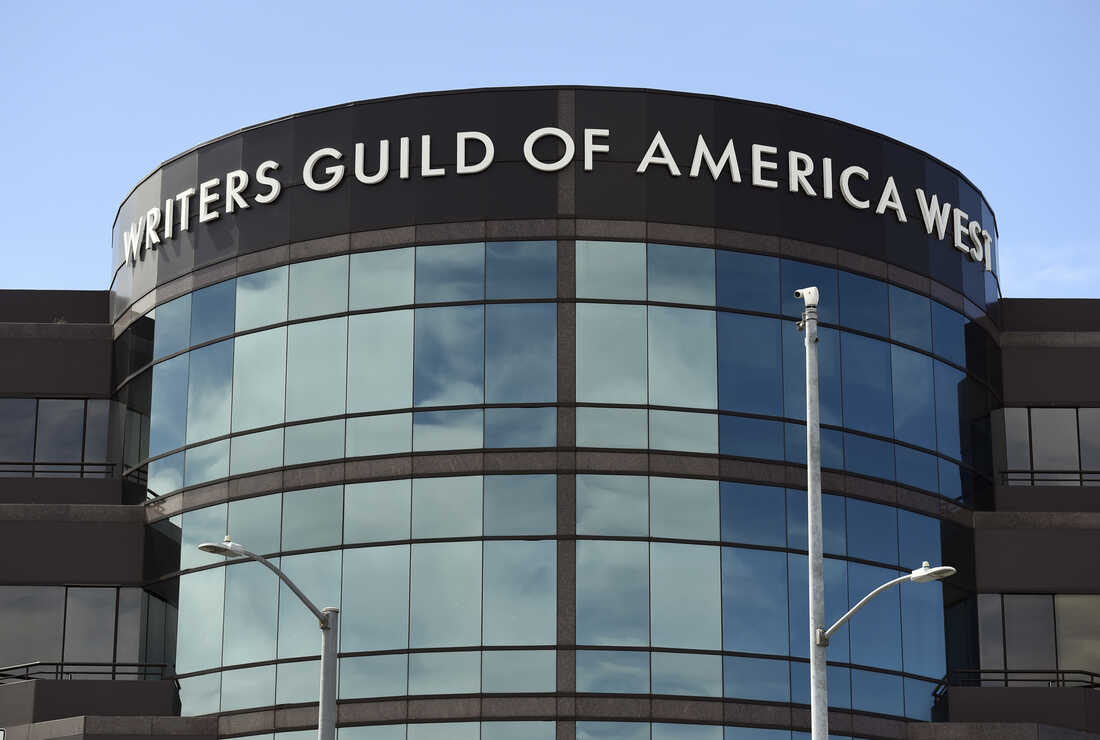
Variety
The Writers Guild of America reached a four-year contract agreement with the Alliance of Motion Picture and Television Producers on April 15, prioritizing an influx of capital to shore up its health care plan. Members will vote on the deal April 16.
The Writers Guild of America reached a four-year contract agreement with the Alliance of Motion Picture and Television Producers on April 15, prioritizing an influx of capital to shore up its health care plan. Members will vote on the deal April 16. The extended term—longer than the standard three-year agreements that have defined industry negotiations for decades—represents a trade-off between the guild's need to stabilize benefits and studios' preference for longer contract certainty.
The WGA's health care plan has faced mounting pressure from industry contraction and inflation. The fund lost $200 million over the past four years, forcing the guild to restructure benefits that had historically offered zero premiums for individual coverage and $50 monthly family premiums. Under the new agreement, those costs will increase, though specific new premium amounts were not disclosed in available reporting.
Gene Maddaus, Variety's business correspondent, explained the negotiating calculus: "It was much framed as an exchange. We wanted to shore up the health plan. And so we got what we wanted and they got what they wanted." The four-year term, which studios sought, became the currency for the capital infusion the WGA required.
The deal extends through 2030, but guild leadership has signaled this will not become standard practice. Maddaus noted that the WGA views the longer term as a one-time concession tied specifically to health care needs. "Going forward, 2030 is going to come sooner than we think. The WGA is not interested in making four years the norm. They would love to treat three years as the default," he said.
The health care plan has long provided unusually comprehensive coverage, accounting for the industry's irregular employment patterns where writers face inevitable gaps between projects. The restructuring reflects broader pressures facing union benefit funds across entertainment as streaming has fragmented traditional revenue models and reduced overall industry employment.
THE DETAILS section includes the $200 million fund loss, the specific premium structure ($0 individual, $50 family), the four-year term extension, and a named analyst's explanation of the negotiating trade-off.
Context
The WGA's health and pension funds have been central to guild negotiations since the 1960s, with benefit security often outweighing wage demands in priority. The 2023 WGA strike lasted 148 days and centered partly on AI protections and staffing minimums, but health care sustainability has emerged as an increasingly acute issue across entertainment unions.
Industry employment in writing positions declined following the 2020 pandemic disruption and the subsequent shift toward streaming production models. Fewer working writers contribute to the health fund while more members draw on benefits during employment gaps, creating structural imbalance. The fund's $200 million loss over four years reflects both reduced contributions and increased claims against a shrinking revenue base.
This agreement sets a precedent that may influence ongoing negotiations. SAG-AFTRA and the Directors Guild of America will conduct their own separate contract talks with the AMPTP in April and May respectively. Whether those unions accept four-year terms—and whether they face similar health care pressures—remains unresolved.
What's Next
The WGA membership ratification vote scheduled for April 16 will determine whether the agreement takes effect. If approved, the deal runs through 2030, meaning the next major negotiation cycle will occur in the final months of that year. The guild's stated preference to return to three-year terms suggests that 2030 negotiations could be contentious if studios again push for longer extensions.
The immediate question is whether SAG-AFTRA and the DGA will pursue similar four-year agreements or resist the precedent the WGA has set. If either union accepts a four-year term, it could normalize longer contracts across the industry. If both reject four-year deals, the WGA's extension may be viewed as a singular response to an acute health care crisis rather than a new standard.
Never Miss a Signal
Get the latest breaking news and daily briefings from Zero Signal News directly to your inbox.